
If you use your garage to park your car, charge your power tools, or store things you’d rather not keep in your house, you might be missing out on some useful smart home upgrades. Here are some accessories you can add to your garage, and the best ways to use them.
Garage door opener
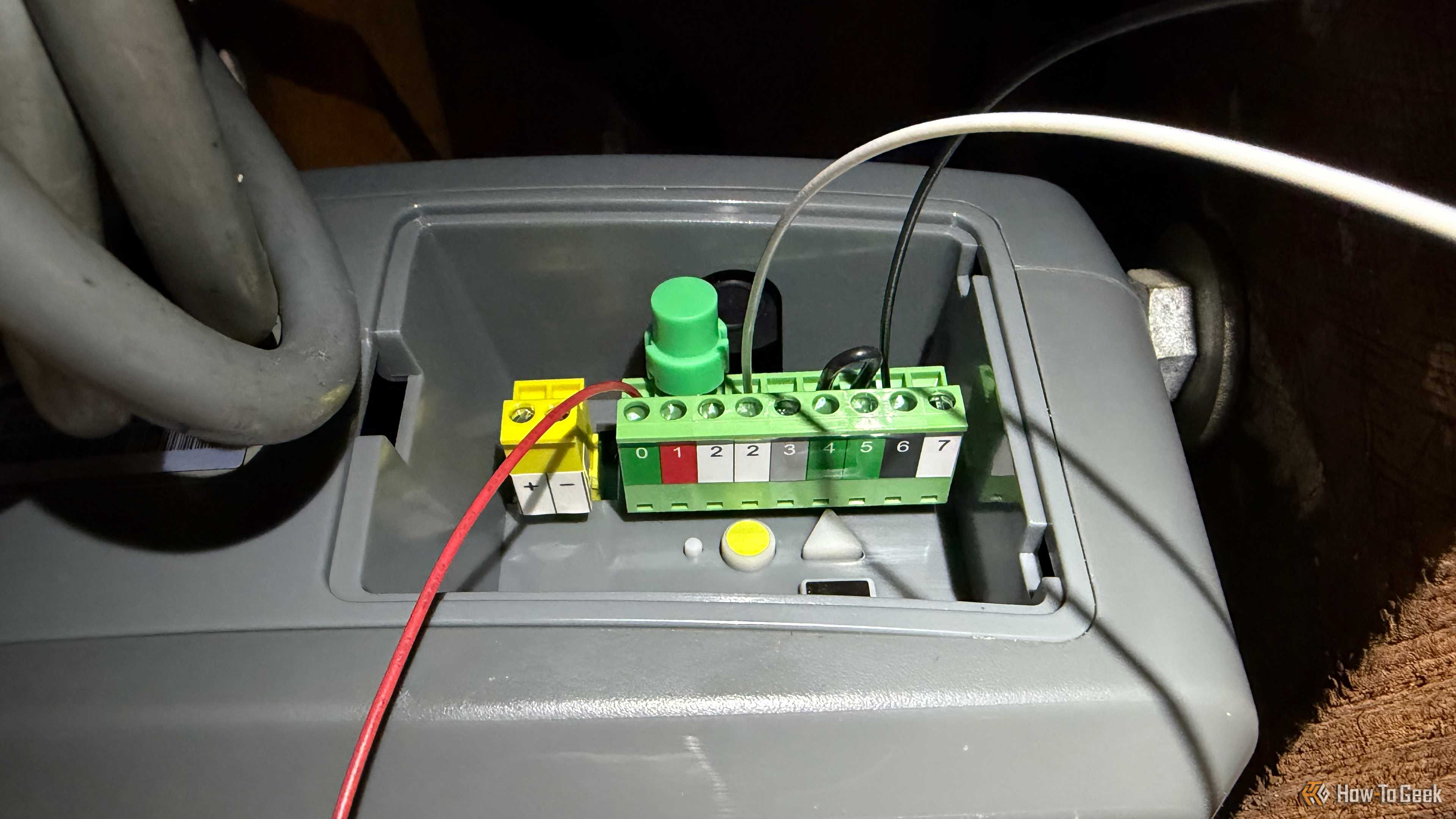
By far the most useful garage upgrade is a smart opener for your garage door. This allows you to open and close the door using your smartphone, voice, or automation. You can get clever and automatically have the door open when you drive up, for example.
How you go about this largely depends on which opener you have. There are proprietary systems like MyQ (associated with brands like Chamberlain and Liftmaster), but I recommend avoiding them where possible on account of the company’s decision to intentionally block Home Assistant compatibility.
RECOMMENDED FOR YOU
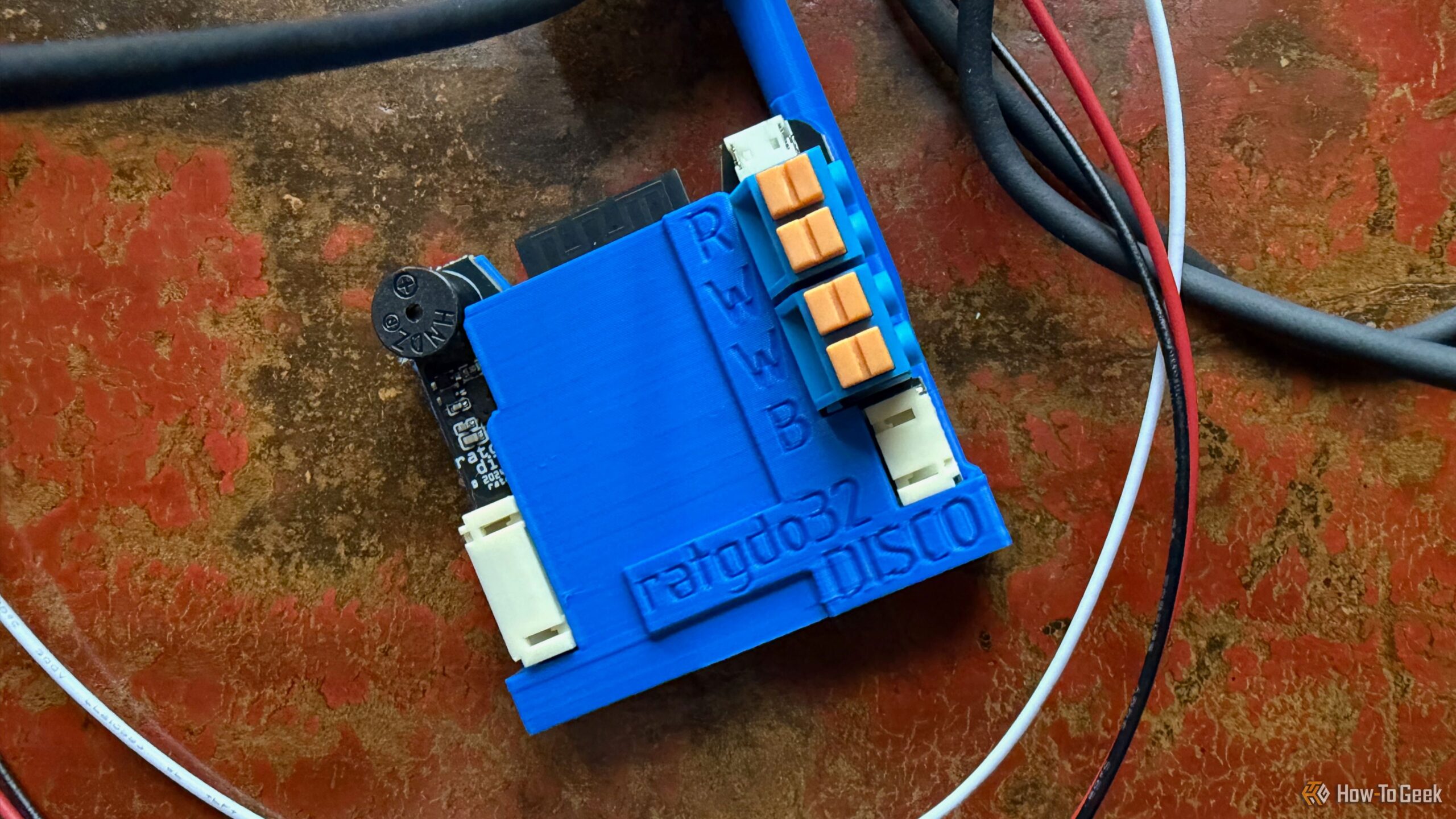
I decided to go with alternative opener ratgdo32 that initially gave me problems but now works consistently. This is a risk you take when you opt for a third-party solution, but several months on and I’m happy with my decision.
There is another option for anyone with a garage door opener that has a switch mounted on the wall, and that’s to use a crude but fully-functional SwitchBot button presser to manually trigger the button. SwitchBot’s products connect to Home Assistant locally via Bluetooth, or can be used via the company’s own app.
Contact sensors on the garage door
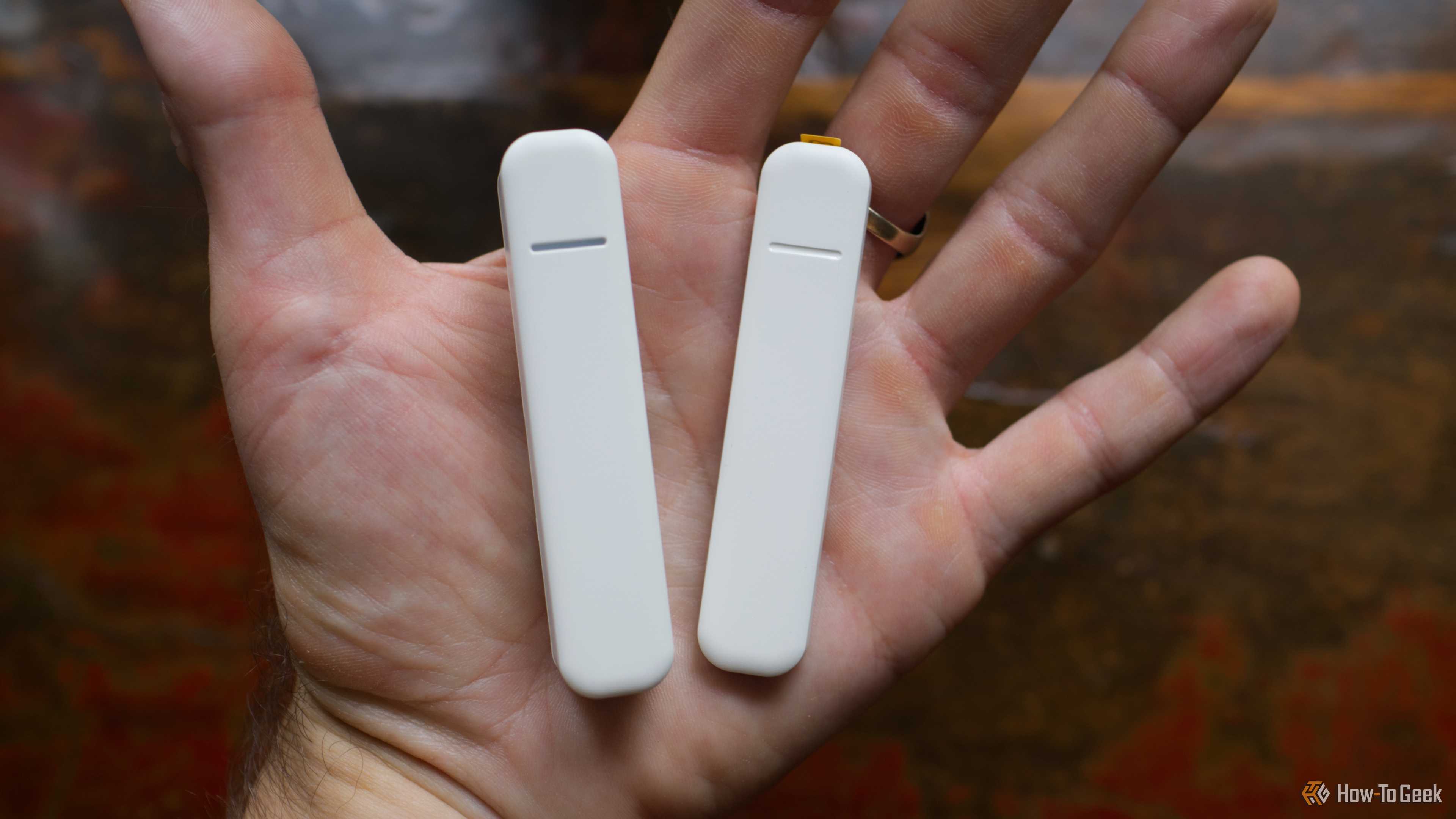
Someone stole a bike from my garage because I forgot to shut the door one night. Even though I had a contact sensor on the door, I failed to set up an automation that would have alerted me that the door had been left open. Suffice to say, I’ve learned my lesson.
Contact sensors can give your smart home superpowers. Some garage door openers can already detect whether the door is open or not, so you might not need this upgrade, but more crude solutions like the SwitchBot button presser do not.
I’ve now got a critical alert that tells me if the door is open at a certain time of night, plus a regular notification that fires if the door is left open for a period of time (I’m often going in and out throughout the day). You could go a step further and automatically close the garage after a set period, but just make sure you don’t get locked in.
Humidity sensor to stop mold

If you use the garage as a dumping ground for items you don’t want to store in your house, a humidity sensor can help you detect conditions under which mold will grow before it happens. If you run Home Assistant, there’s even a mold indicator helper you can configure that does this.
Alternatively, just trigger a cheap “dumb” dehumidifier whenever the relative humidity hits a certain level.
Temperature sensor to avoid frozen pipes
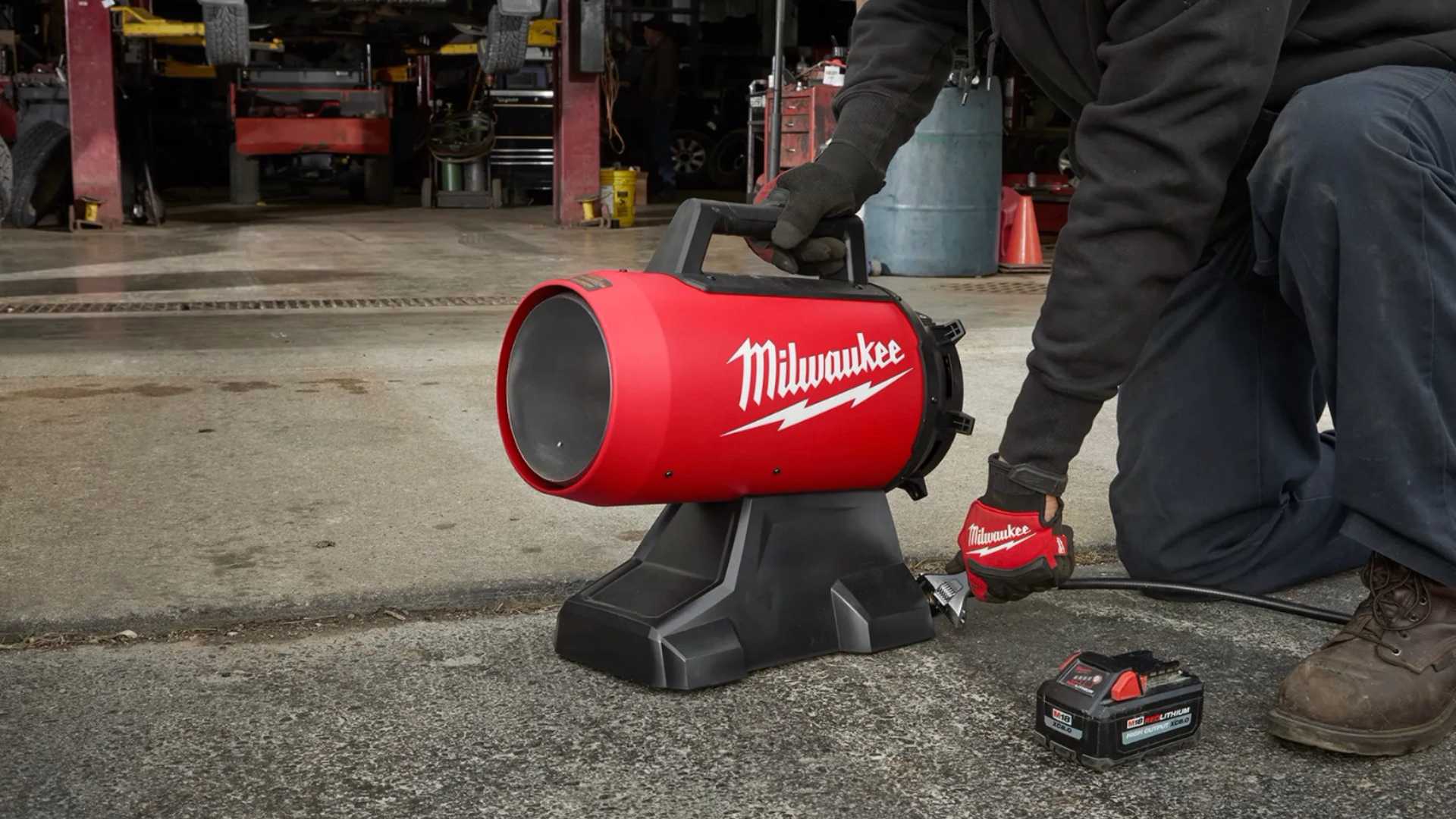
Temperature is another useful metric you might want to keep an eye on, especially if you have pipes in your garage that can freeze and burst. For this to work, you’ll need some means of turning on a heater, like a smart plug. Just make sure that the plug is rated to handle the load beforehand.
Energy-monitoring smart plugs for tool batteries
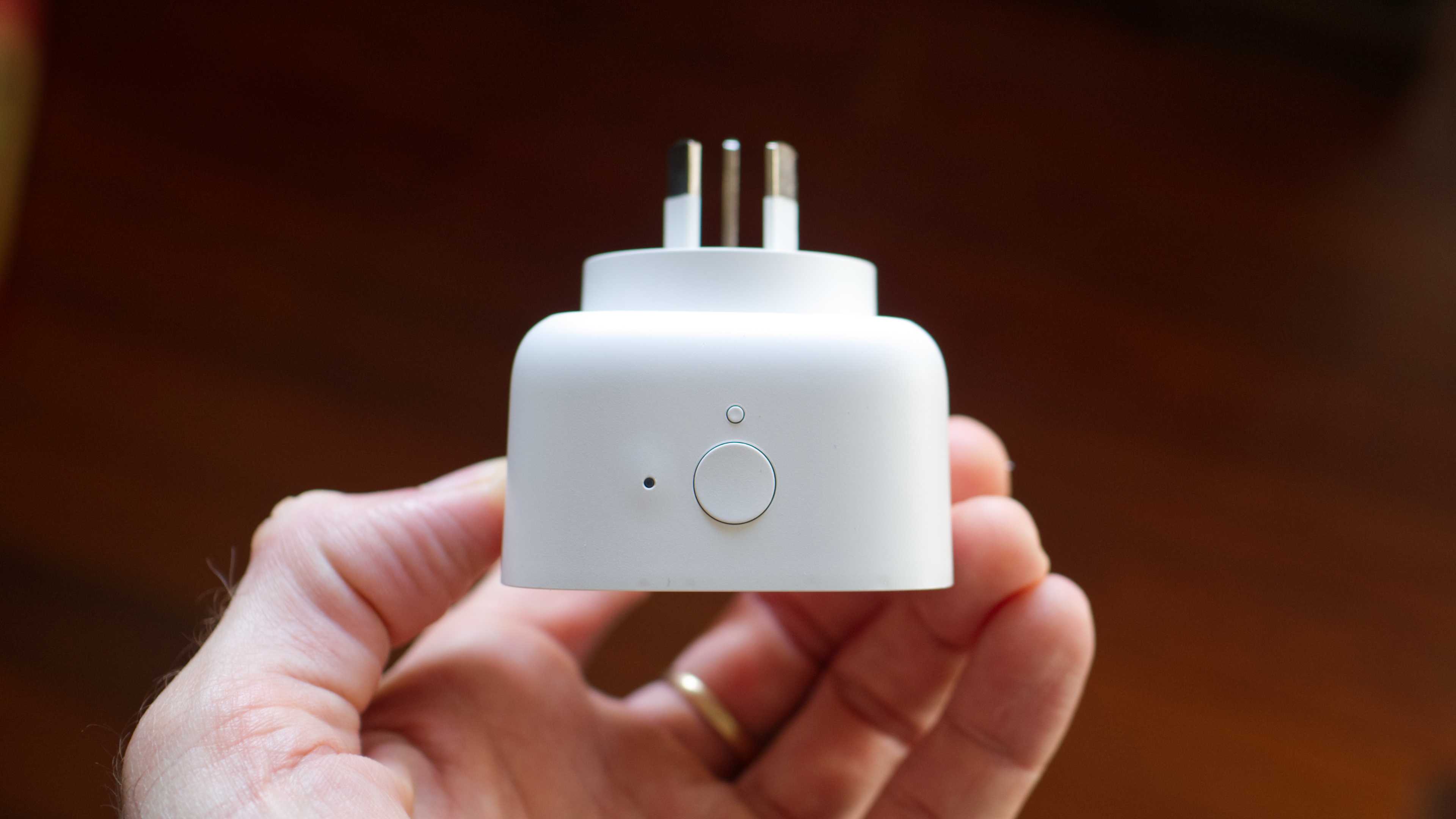
If you want to automate heaters and dehumidifiers, you’ll need a smart plug (or a smart outlet). Energy-monitoring smart plugs allow you to get even more creative, which can be handy if your garage doubles as a place to charge batteries for drills and other power tools.
This is a lot like monitoring laundry cycles with Home Assistant. You can turn on your smart plug to start a charge cycle, and when the power level drops to near zero (indicating that trickle charging has commenced), you can have the switch shut itself off.
Some people also like to use smart plugs to disable their garage door openers at night for added security.
A smart lock for home entry doors
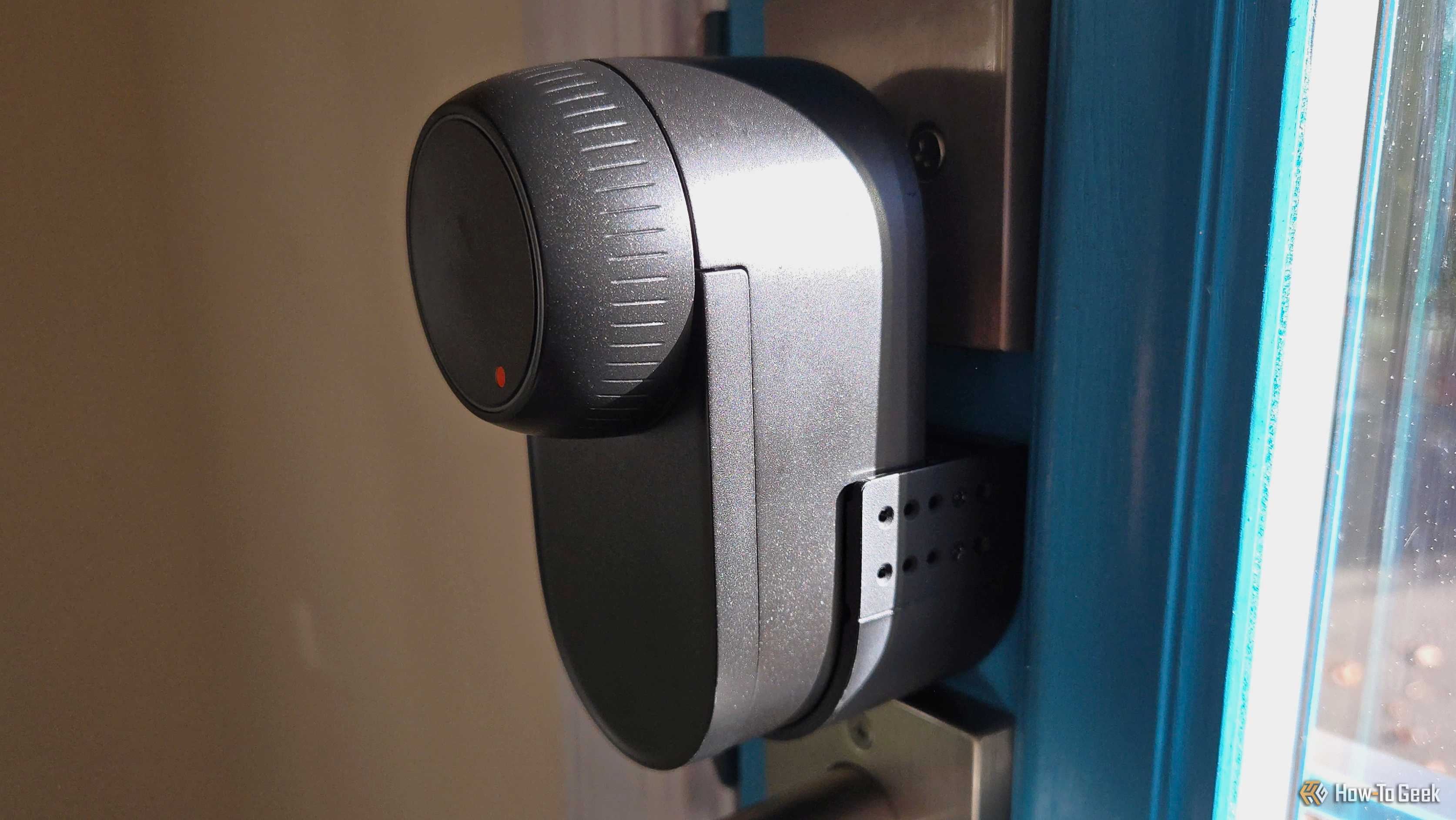
Though your garage door is big and heavy and probably made of metal, it’s probably not as secure as you think it is. If your garage door opener was installed before you lived there, there’s a chance that others still have access. Many older garage doors have failsafe mechanisms that use easy-to-pick locks in case of a power outage.
If your garage connects directly to the main living area of your home, added security is a good idea. But you don’t want to have to carry a key or worry about getting locked out (or locked in). This is where smart locks come in, allowing you to unlock doors with fingerprints, codes, and other devices.
You can even automate these to lock themselves at certain times of day.
Motion and presence sensors for lighting
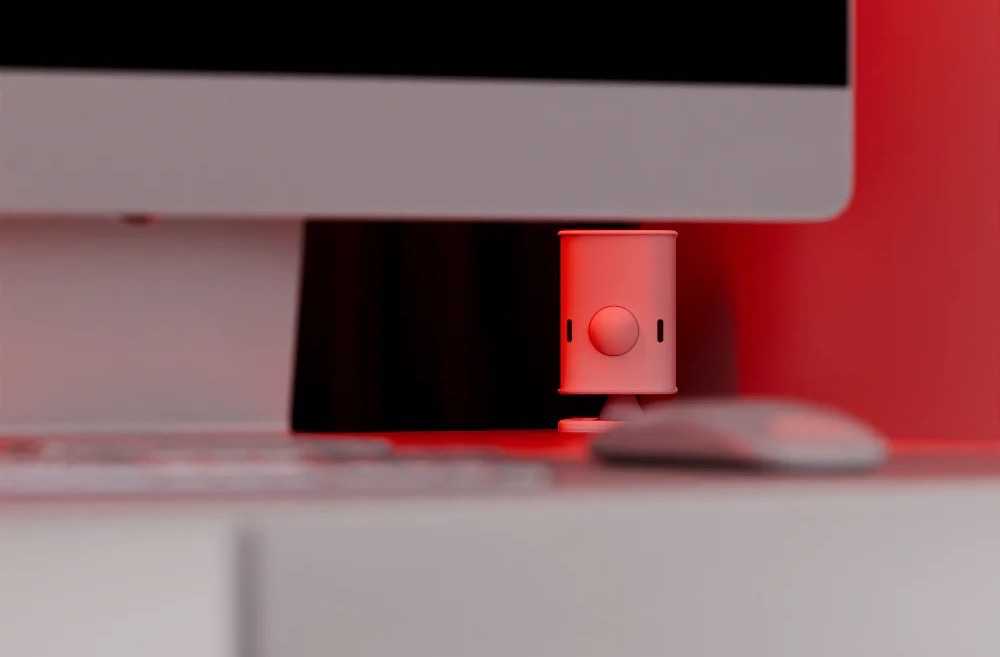
There are few zones in your home that benefit more from hands-free lighting than the garage. By far the best tool for the job is a presence sensor that includes a combined infrared motion sensor, like the Everything Presence One. The passive infrared quickly detects motion and triggers the lights, while the mmWave sensor can sense your continued presence and turn them off when you leave.
You can even use the infrared sensor to detect ambient light levels, preventing the lights from triggering if the garage door is open and light levels are sufficient. Remember that you’ll need a smart light switch or smart bulbs to complete this automation.
Looking for more smart home ideas? Check out which smart home gadgets you should put in your living room, kitchen, and bedroom.
Finished reading? There’s more to explore.
Leave a Reply