
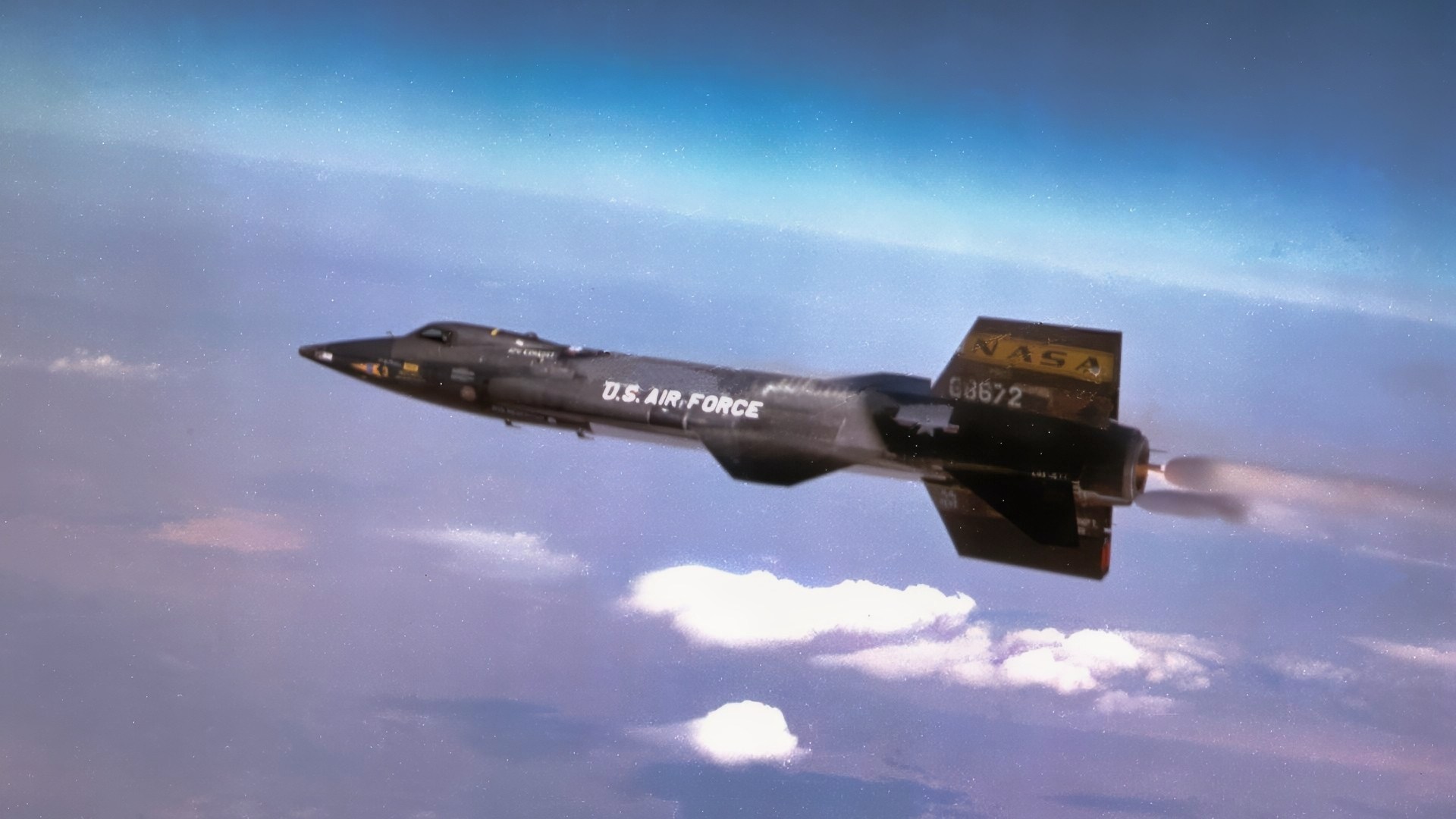
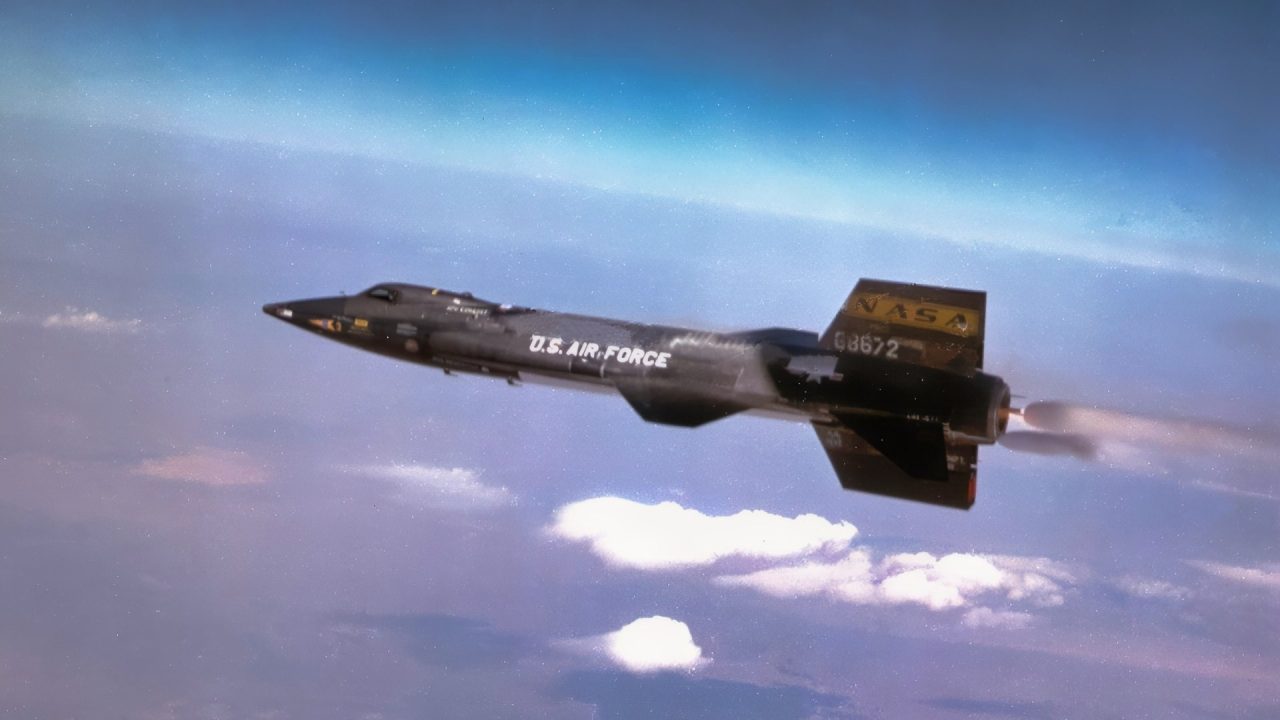
Summary and Key Points: The X-15 program, spanning 199 flights between 1959 and 1968, pushed the boundaries of aeronautics into the hypersonic realm.
-Capable of reaching altitudes of 102,000 feet, the aircraft utilized a 57,000-pound thrust rocket engine that burned for only 60 seconds but propelled the pilot to Mach 6.7.
RECOMMENDED FOR YOU
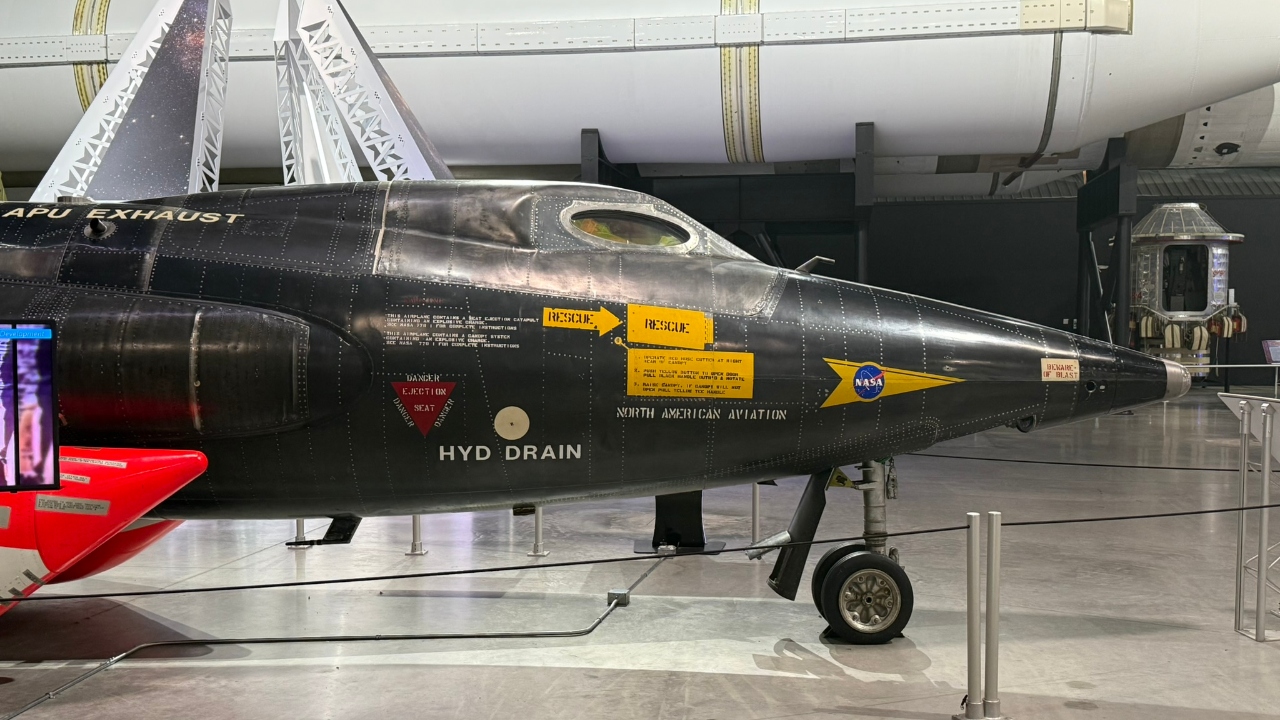
-Designed with a blunted nose and thick, blunt leading edges to manage aerodynamic heating, the X-15’s specialized Inconel X skin allowed it to endure extreme temperatures.
-Despite a harrowing 200-mph “skid” landing system and frequent mechanical failures, the X-15’s legacy remains the gold standard for high-speed engineering and piloting bravery.
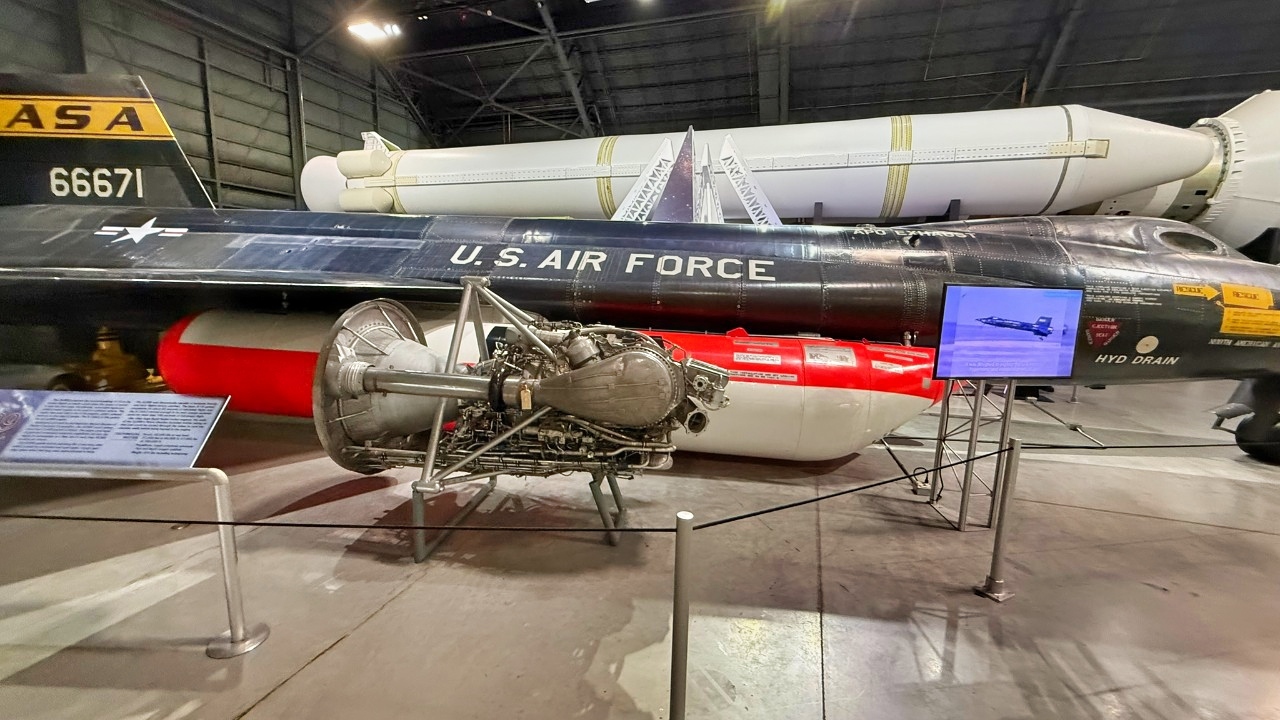
-BONUS: Harry J. Kazianis, the Editor-In-Chief of this publication, was able to take photos of the X-15 in a recent visit to the National Museum of the Air Force. All interior photos in this article are from that X-15 visit.
4,520 MPH at the Edge of Space: The Incredible Story of the X-15 Rocket Plane
We write about hypersonic flight often here at National Security Journal. There is just something awe-inspiring about an aircraft that can fly over MACH 5. Past hypersonic airplanes produced by the United States were often experimental technology demonstrators, but they were also show-birds that bedeviled adversaries and displayed US engineering and design prowess.
One monster hot rod was North American Aviation’s X-15, which could hit MACH 6.7 or 4,520 miles per hour – an unheard of speed for the era that still stands the test of time. A pilot flew this force of nature and hit that remarkable velocity in 1967. He was jetting over Edwards Air Force Base in California at an amazing 102,000 feet, making the X-15’s altitude 19 miles. Major William “Pete” Knight became the fastest-flying pilot for that type of aircraft (winged and powered) of all time.
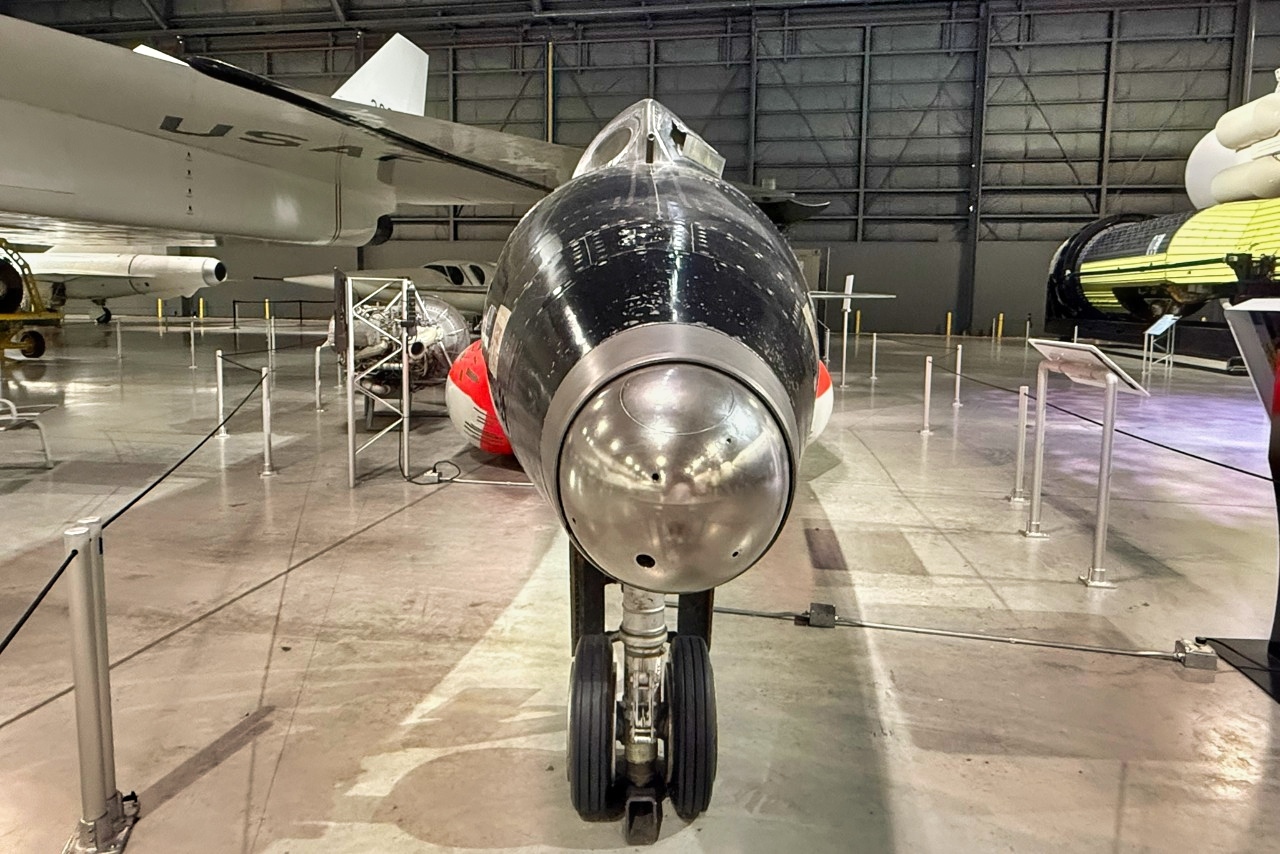
This Was One Dangerous Endeavor
It was not all fun and games for the X-15. Four months earlier, Knight was flying the aircraft in the skies over Nevada. Then a catastrophic failure almost happened. The airplane’s electrical system gave out. Knight had his hands full and thought he was going to bail out. He eventually brought the X-15 under control and landed safely. His efforts won him the Distinguished Flying Cross.
A Bright Shining Object During the 1950s and 1960s
The X-15 had a stunning number of flights – 199 all told between 1959 and 1968. The X-15 was born in 1954. The first flight was a glider mission after the X-15 was dropped from a modified B-52. This happened in 1959, and the X-15 flew at an altitude of around 38,000 feet.
There Were Some Unanswered Questions
The X-15 was not only built for hypersonic speed, but also to influence the future design of ultra-rapid flight. The airframe generated oodles of heat at that speed and altitude. Was the pilot going to be safe? Could he land after hitting MACH 6 and above? What were the best parameters of design and engineering at that speed?
North American Aviation was probing for answers and needed a hotshot pilot to test the airplane under unheard-of conditions.
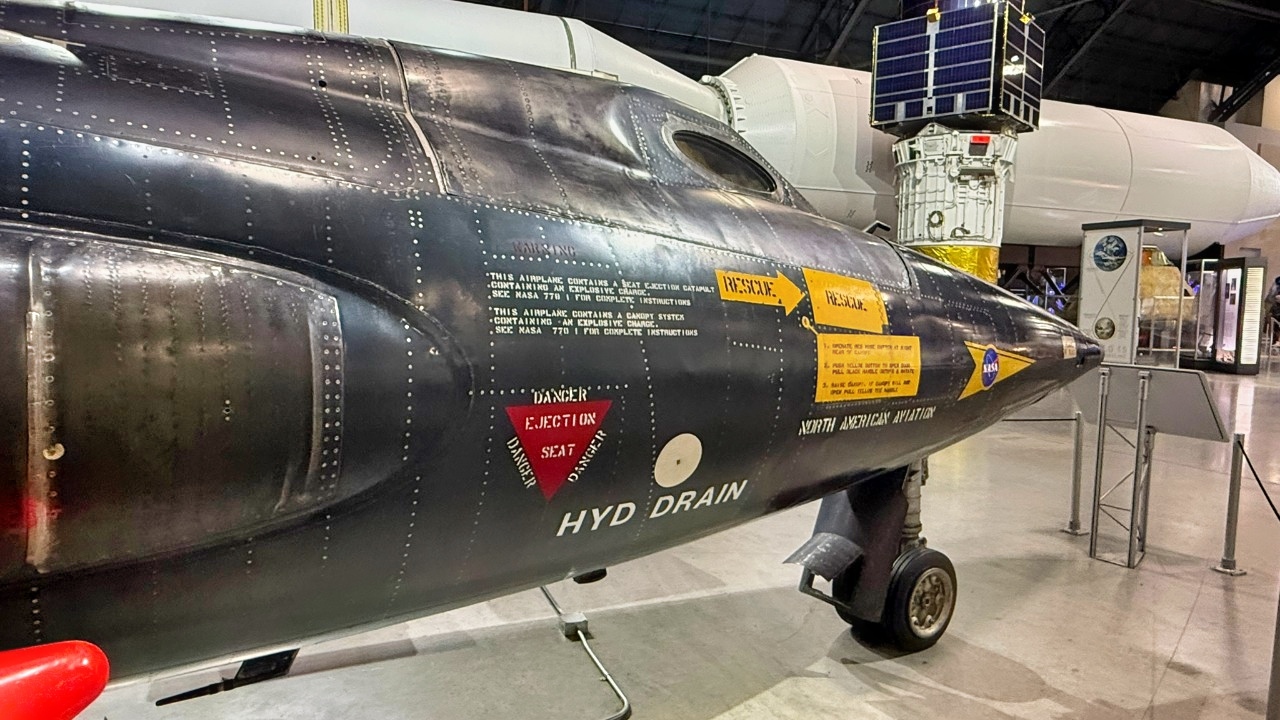
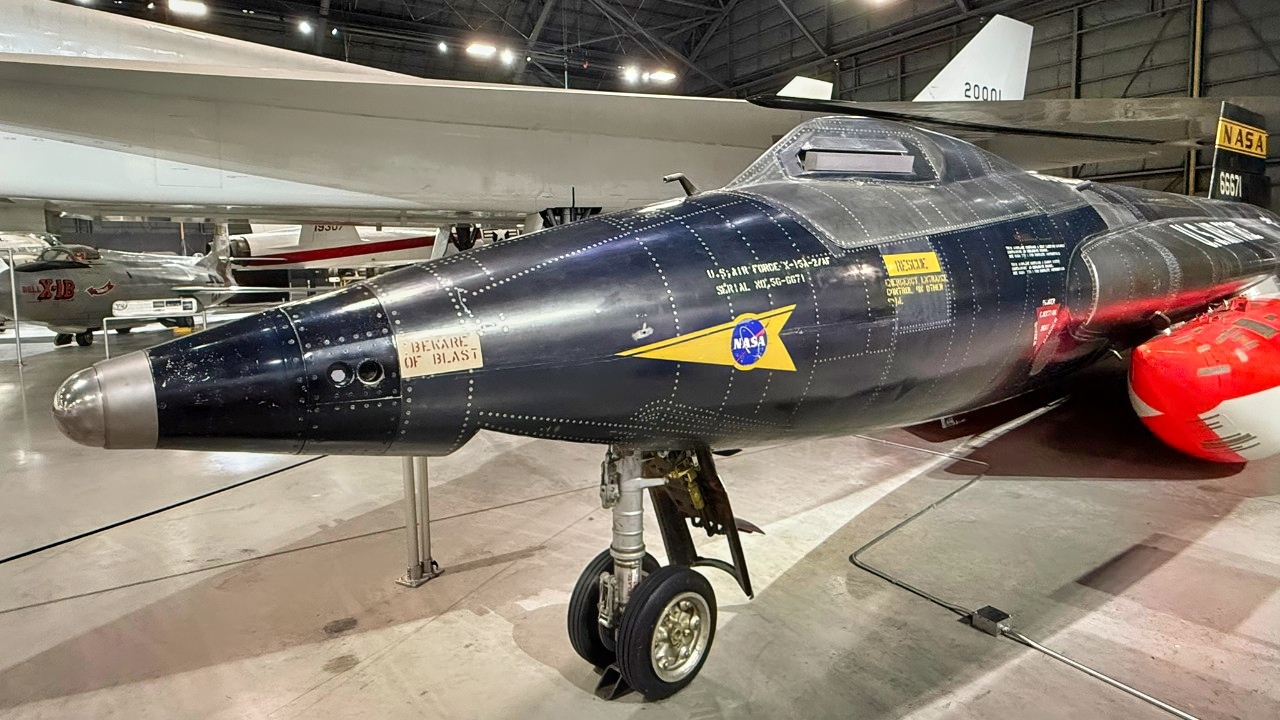
Huge-Thrusting Rocket Engine On Board
Also, the X-15 required a powerplant that could push out an immense amount of giddy-up. The X-15 featured a throttleable rocket engine stored internally that had a remarkable 57,000 pounds of thrust.
The engine was only going to burn for 60 seconds, but it needed ample fuel stored in external tanks beneath the fuselage. The engineers were taking a chance with external storage. Any kind of spark would make the X-15 into toast and doom the pilot at such a high speed and altitude.
The X-15 was not much to look at. The wingspan was small at just 22 feet. This did not give the pilot that much room for error before the aircraft could spin out of control and spiral toward an early death.
Experimental Design Was a Winner
“The X-15 had a wider fuselage with a blunted nose as well as a thicker wing with blunt leading edges – all designed to reduce aerodynamic heating to the vehicle. This is a dramatic departure from good supersonic airplane design and is a good example of the different problems encountered with hypersonic flight,” according to the Air and Space Museum.
Knight would have adequate control over the aircraft since the thrusters were under the wings and nose. Control surfaces were designed for the thinner air at such a high altitude. But still, this project was experimental, and anything could go wrong.
What Was This Bird Made Of?
“The X-15’s skin was made of a special nickel-chrome alloy that could better withstand the extreme heat generated by the X-15’s incredibly high flight speeds. The X-15’s cockpit was made of aluminum and was physically separated from the airframe to further insulate the pilot from high heat,” according to the National Interest.
Landing Was No Piece of cake.
And the landing sequence was a challenge. Knight was lucky he brought the airplane down safely after the electrical failure in 1967, before his record-shattering MACH 6.7 flight. The landing gear was a “tricycle” that retracted into the nose. The two sides of the gear did not even have wheels, as it was more of a skid system. The X-15 had to land in a lakebed without the water and plow to a stop.
Landing was accomplished at 200 miles per hour, and the pilot had to send the tail section into the air. This landing apparatus did not amuse Knight, but the design was meant for top speed, and if the pilot had to hold his breath at the end of his flight, that would still be worth the trouble and risk.
A Great Feat of Piloting, Design, and Engineering
The X-15 was clearly ahead of its time. The engineers and designers working on the program must be given credit for the record-breaking flight that is still unmatched. Knight was one brave pilot who deserved his accolades. The X-15 should be mentioned favorably as an all-time heavyweight champion. It had its design quirks, especially when it came to landing the bird, and North American was lucky none of its test pilots met doom, but in all, it should be considered an extremely successful MACH 6.7 monster.
About the Author: Dr. Brent M. Eastwood
Author of now over 3,000 articles on defense issues, Brent M. Eastwood, PhD is the author of Don’t Turn Your Back On the World: a Conservative Foreign Policy and Humans, Machines, and Data: Future Trends in Warfare plus two other books. Brent was the founder and CEO of a tech firm that predicted world events using artificial intelligence. He served as a legislative fellow for US Senator Tim Scott and advised the senator on defense and foreign policy issues. He has taught at American University, George Washington University, and George Mason University. Brent is a former US Army Infantry officer. He can be followed on X @BMEastwood.
Please follow National Security Journal on MSN for the latest news in defense, foreign policy, economics, and politics with a bipartisan twist.
Finished reading? There’s more to explore.
Leave a Reply