
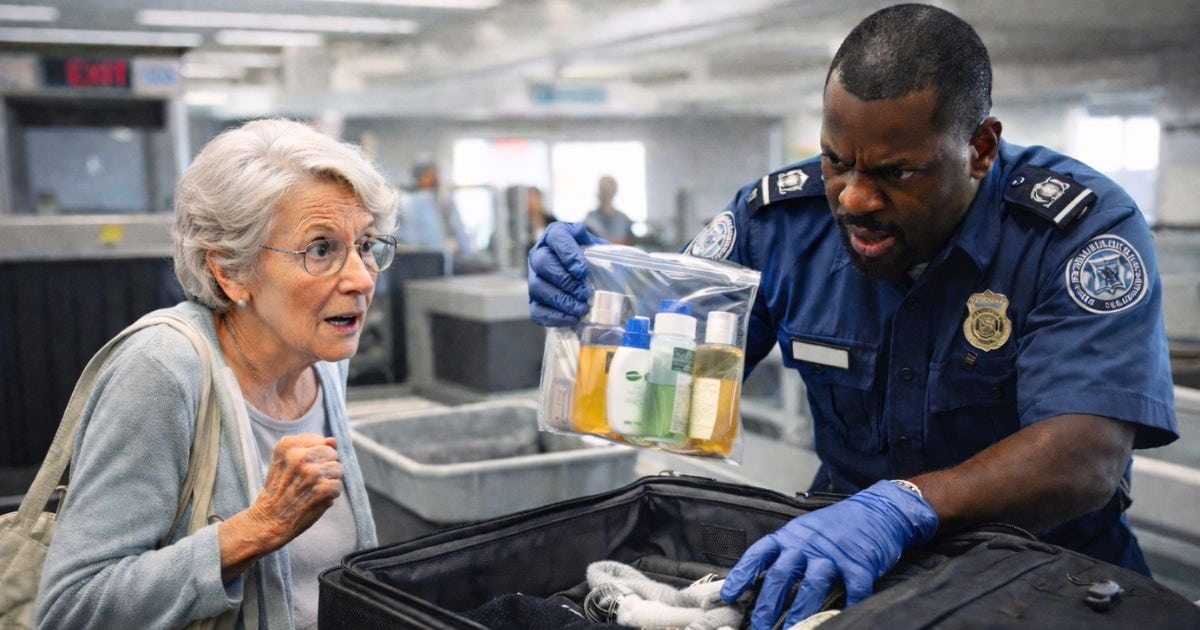
The Transportation Security Administration, or TSA, has a single mission: Keep air travelers like you and me secure (and I’m certainly thankful for that).
But somehow, somewhere down the line, they’ve shifted from sensible safety protocols to prohibiting kids’ playthings, breakfast condiments, and your grandma’s cooking tools (we’ve detailed the strangest items below).
In 2026, their prohibited items list has hit maximum lunacy, causing passengers to feel baffled, annoyed, and sometimes amused by the complete absurdity of everything.
RECOMMENDED FOR YOU
Continue reading for 20 items you cannot bring aboard a plane due to TSA regulations — and yes, all of these are legitimate and you can find them listed directly on the TSA website.
1. Magic 8 Ball
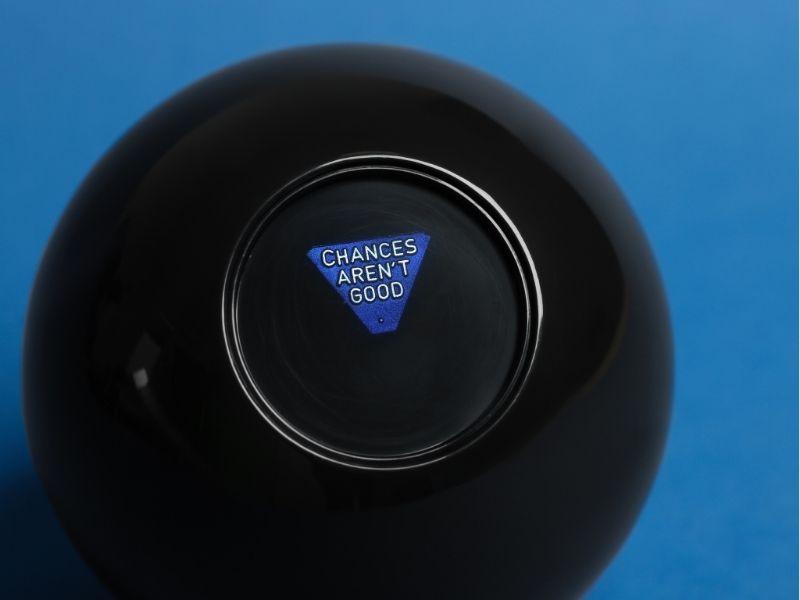
Remember the Magic 8 Ball? That classic fortune-predicting billiard ball toy from your youth?
Well, that recognizable black sphere holds over 3.4 ounces of liquid, meaning it breaks TSA’s 3-1-1 rule.
So if you planned to ask the mystical orb about your trip choices at 30,000 feet, reconsider, since you must pack your Magic 8 Ball in checked bags (or abandon it at home).
TSA officers have allegedly seized hundreds of these retro toys, leaving travelers bewildered who never thought a kids’ game might be deemed hazardous.
Their official position? “Outlook not so good” for carrying it in your hand luggage, as TSA has classified it as a liquid danger.
2. Peanut Butter
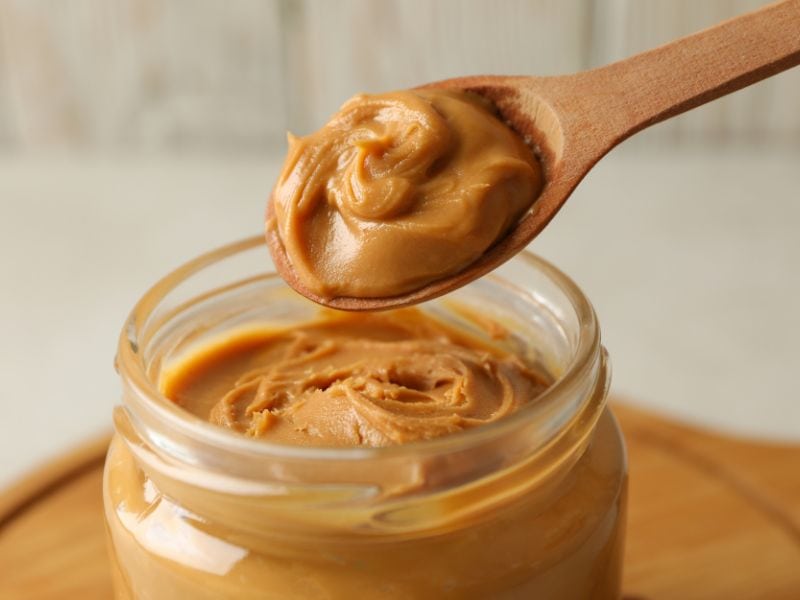
Were you aware that America’s beloved sandwich spread has been categorized as a liquid by TSA?
Correct: The dense, gooey substance you can actually spread with a knife is evidently liquid enough to pose risks.
Any container of peanut butter (plus things like hummus) exceeding 3.4 ounces must travel in checked baggage.
This means your warehouse-sized tub of Jif qualifies as a security hazard — but a 3.4-ounce travel jar is totally acceptable.
The reasoning? Spreads, pastes, and gels all qualify under the liquid classification.
So while you can transport a tiny container, that bulk-size jar you intended to present your overseas relatives needs checking (assuming it survives the luggage handlers, naturally).
3. Gel Shoe Inserts
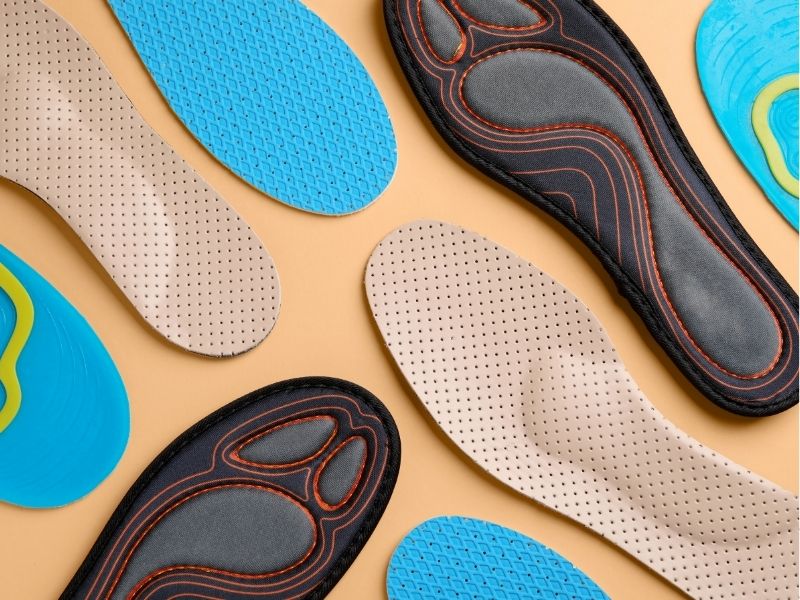
Dr. Scholl’s aims to keep you comfortable during travel, but TSA disagrees.
These cushiony gel shoe inserts with flexible pads that make trudging through never-ending airport corridors tolerable are forbidden in carry-on baggage.
The gel substance surpasses the liquid restriction, seemingly making your foot relief a possible security hazard.
You can wear footwear with integrated gel padding, but separate inserts must be stored in your checked bag.
The option? Endure security and your journey in painful shoes, or store them where luggage frequently disappears forever.
Numerous regular travelers mention TSA officers being unpredictable about this regulation, with some permitting them and others confiscating them immediately.
4. Snow Globes

That charming Eiffel Tower snow globe you purchased in Paris as a keepsake? It’s remaining in Paris (or at minimum not returning home in your carry-on).
Snow globes like these hold liquid — that’s what creates their magical snowfall effect — and most surpass the 3.4-ounce restriction.
TSA views them as possible containers for concealing dangerous liquids, despite being sealed, ornamental items available in every tourist store globally.
Tiny snow globes below 3.4 ounces that accommodate in your quart-sized liquids pouch are technically permitted, but good fortune locating one that small.
Most passengers learn this regulation the difficult way, observing their thoughtfully chosen souvenir get discarded in a container at security.
Our travel expert tip: Store them in checked baggage or mail them home independently.
5. Party Poppers

Intending to commemorate your touchdown with some celebratory confetti? Not if TSA controls it.
These miniature plastic party poppers that produce that oh-so-gratifying “pop” noise and spray confetti are prohibited from BOTH carry-on and checked baggage.
The explanation? They hold a minor explosive charge to generate the popping noise.
While they’re marketed to youngsters and utilized at birthday celebrations, TSA groups them with fireworks and other explosives.
No allowances are granted on this one; not even for the tiniest versions.
So if you’re participating in a celebration at your location, you’ll need to purchase your party materials after touchdown. The confetti must wait.
6. Foam Toy Swords

Your five-year-old’s foam pirate sword from the costume store is deemed a weapon by TSA.
Despite consisting of soft, spongy foam that couldn’t injure anyone, these playthings are banned in carry-on baggage because they “look like” actual swords.
TSA’s reasoning is that anything resembling a weapon could trigger alarm or be utilized to frighten, even if it’s clearly a toy.
This has resulted in numerous devastated youngsters at security checkpoints, witnessing their cherished play swords get taken away.
The positive news? You can store foam swords in checked baggage, where they can journey safely with your genuine sharp items.
The negative news? Clarifying to a weeping child why their toy is hazardous as well.
7. Cordless Curling Irons & Flat Irons
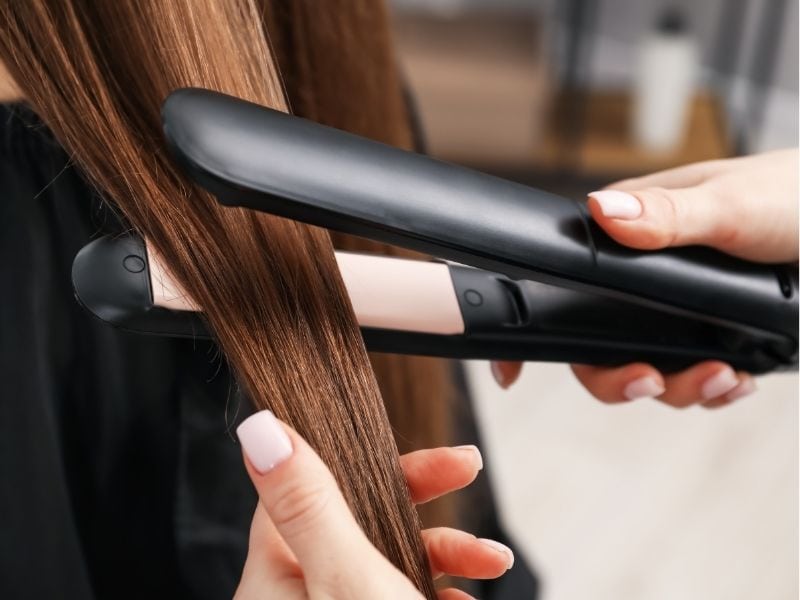
Starting in 2025, TSA prohibited gas-fueled cordless curling irons and flat irons from checked baggage because of fire dangers.
These handy styling implements use butane or gas cylinders, which might possibly leak or combust in the pressurized cargo area.
You can still transport them in carry-on baggage, but solely if they possess a safety shield over the heating component to avoid unintentional triggering.
Battery-operated cordless implements face distinct limitations—they must remain in carry-on pouches because lithium batteries are forbidden from checked baggage.
The most secure choice? Store traditional plug-in styling implements that don’t necessitate special cylinders or batteries.
Unless you’re prepared to navigate the complicated regulations, your hair might simply have to air-dry.
8. Gel Candles

Hoping to transport some aromatherapy atmosphere to your hotel quarters? TSA says no to gel candles like these in carry-on baggage.
Unlike standard wax candles (which are permitted), gel candles like these are categorized as liquids due to their gel wax composition.
There’s no dimension exception either; even minuscule gel tea lights are forbidden in carry-on pouches.
The regulation seems especially random given that standard wax candles are completely fine, but TSA insists that the gel composition places them in the liquid classification.
You can store gel candles in checked baggage if you absolutely can’t journey without them, or simply purchase standard candles and spare yourself the trouble.
9. Protein Powder (Over 12 Ounces)

Fitness devotees take notice, because your protein powder is questionable.
Any powder-like material surpassing 12 ounces must be situated in a distinct container for extra X-ray examination at security.
TSA executed this regulation after security worries about powdered materials that could be utilized to build explosives.
Your vanilla whey protein receives the identical scrutiny as any other powder, so TSA officers may additionally request to unseal the container for visual inspection.
While it’s not prohibited completely, anticipate extra examination duration and possibly hand-swabbing of the container.
For regular travelers, purchasing smaller containers or acquiring protein powder at your location might be worth the ease.
Otherwise, allocate additional duration at security.
10. Nutella
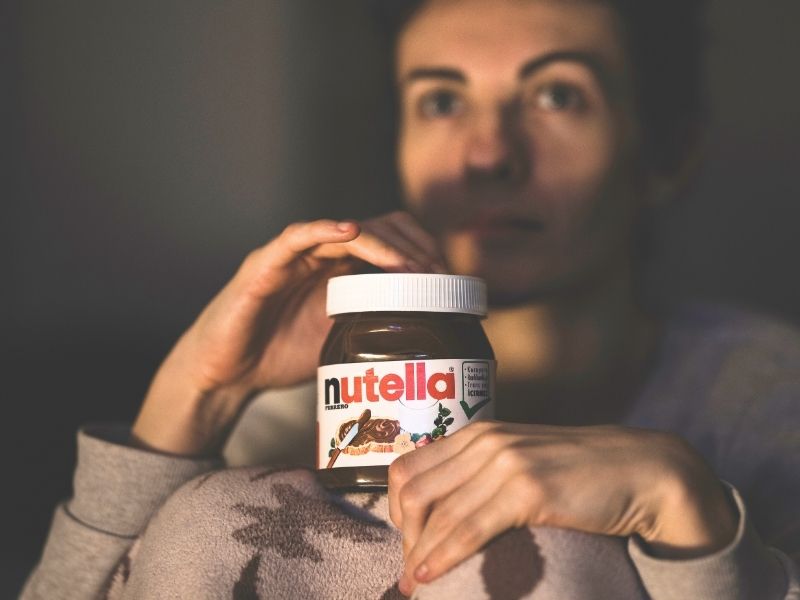
The adored chocolate-hazelnut spread that Europeans cannot exist without? It’s a gel, per TSA.
Any container exceeding 3.4 ounces is forbidden in carry-on baggage, destroying the aspirations of Nutella lovers globally.
This categorization has triggered particular annoyance for international travelers attempting to transport home genuine European Nutella, which numerous insist tastes superior to American Nutella.
You can still fill these miniature travel-size containers with Nutella, which are permitted if they accommodate in your quart-sized liquids pouch alongside your toiletries.
However, that family-sized container you were intending to transport home must travel in checked baggage.
Numerous travelers mention TSA officers being particularly rigorous about implementing this regulation, presumably because so many individuals attempt to violate it.
11. Cast Iron Pans

While your grandmother’s (or your) treasured Lodge skillet pan is technically permitted in carry-on baggage, good fortune getting it through.
TSA officers have extensive authority to ban items that could be utilized as weapons, and a hefty cast iron pan certainly qualifies.
While the official regulations don’t specifically prohibit them, numerous officers view anything that heavy and solid to be a possible bludgeoning implement.
Your experience may differ dramatically depending on the airport and officer, naturally.
Some passengers successfully carry on their valued cookware, while others have them seized or are compelled to check them.
If you’re connected to your cast iron and must journey with it, checking it is your safest option — though they are hefty, so be conscious of weight when storing them.
12. Glow Sticks
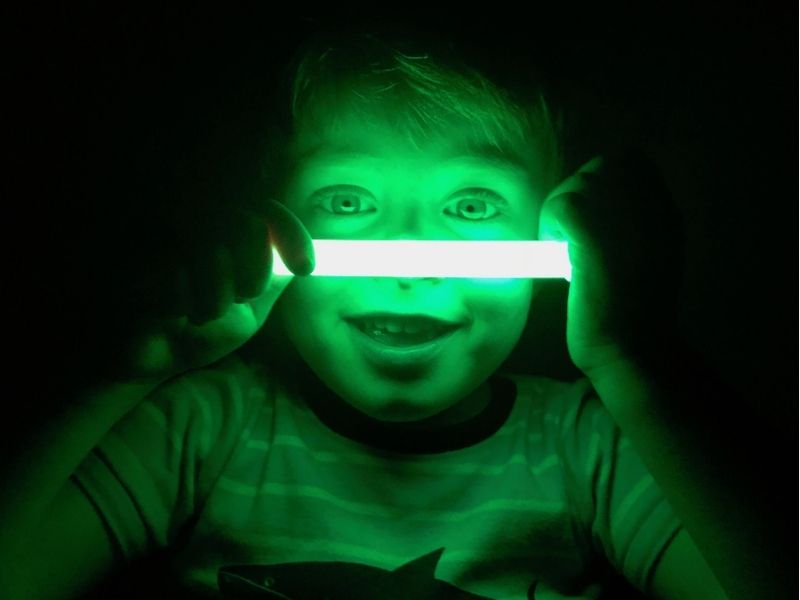
Those entertaining light-up tubes from concerts and celebrations are forbidden in carry-on baggage because they hold liquid.
Each glow stick holds chemicals that generate the glowing effect when combined together.
TSA views this liquid content a possible danger, even though the tubes are sealed and would require being broken to reach the chemicals inside.
Tiny glow sticks below 3.4 ounces that accommodate in your liquids pouch might technically be permitted, but implementation is unpredictable.
Most TSA officers will seize them irrespective of dimension, so if you’re headed to a festival or concert, purchase your glow sticks at the location.
Or embrace the alternative: LED light-up accessories and don’t contain liquid.
13. Power Banks & Portable Battery Chargers
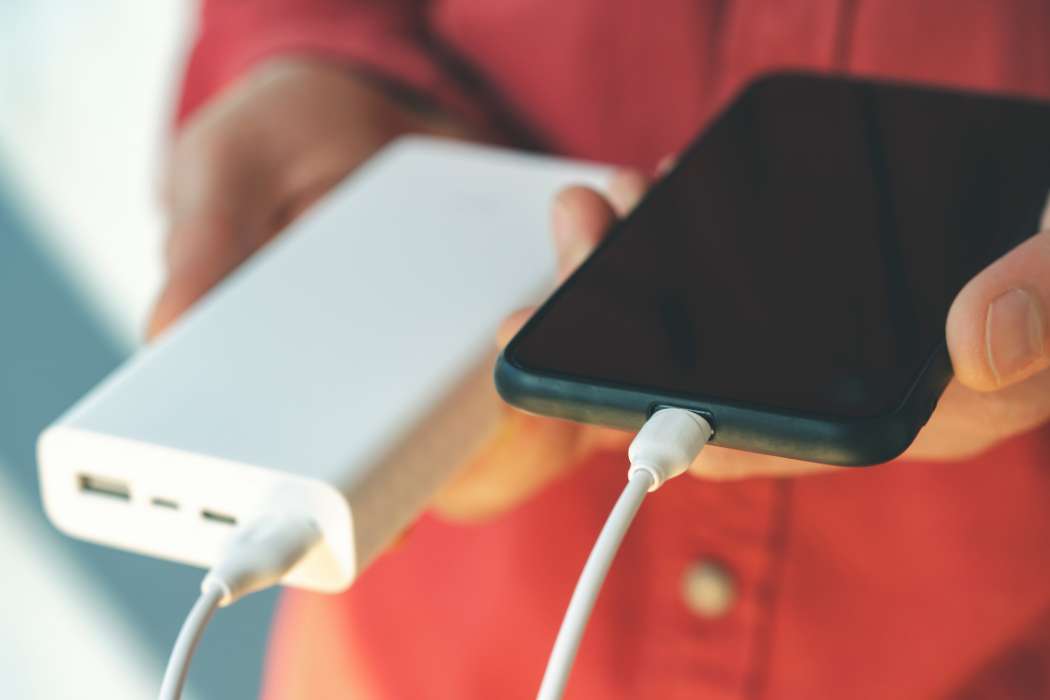
Here’s where the regulations get especially bewildering: Portable chargers like this MUST travel in carry-on baggage; never in checked pouches.
Lithium-ion batteries present a fire danger, but TSA wants them in the cabin where crew can respond to overheating rather than in the cargo area where fires can’t be identified.
Power banks exceeding 100 watt-hours necessitate airline permission, while those exceeding 160 watt-hours are totally forbidden.
Most of today’s standard portable chargers like this popular one fall below 100 watt-hours, but you’re required to verify your device specifications.
The consequence for accidentally storing power banks in checked baggage can include your complete pouch being removed from the flight.
Always, always maintain your portable chargers in your personal item or carry-on pouch. This is one regulation TSA is exceedingly rigorous about implementing.
14. Ice Packs (Partially Frozen)
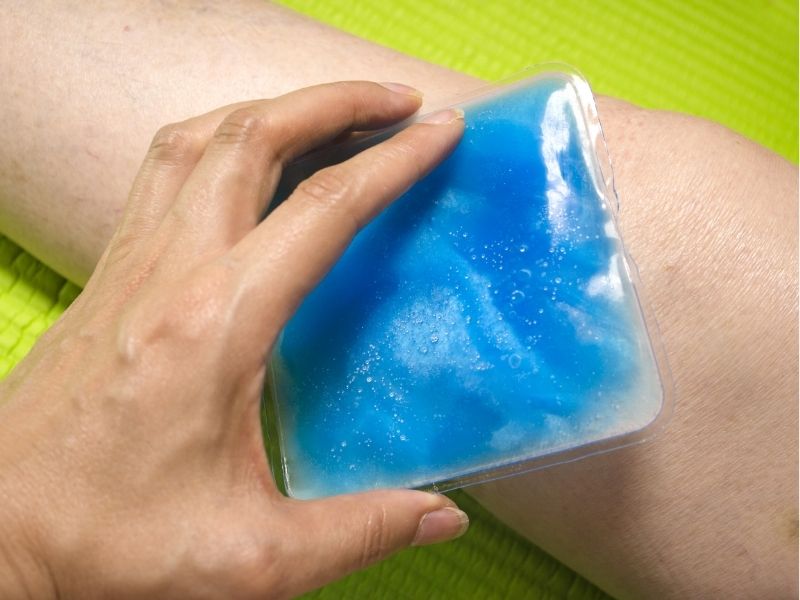
The ice pack regulations are maximum TSA lunacy, and the unpredictability of this regulation annoys even the most patient travelers.
- Completely frozen solid ice packs? Permitted in carry-on.
- Partially frozen gel packs? Seized instantly.
The reasoning is that frozen water is a solid, not a liquid, so it’s allowed. However, once it begins melting and becomes a gel, it breaks the liquids regulation.
This generates an impossible circumstance: Your ice pack must stay completely frozen from when you depart home until you clear security.
Numerous travelers storing medical materials or perishables have had their meticulously frozen ice packs seized because they started defrosting during the drive to the airport.
TSA’s guidance? Time your freezing flawlessly or don’t attempt.
15. Jelly and Jam
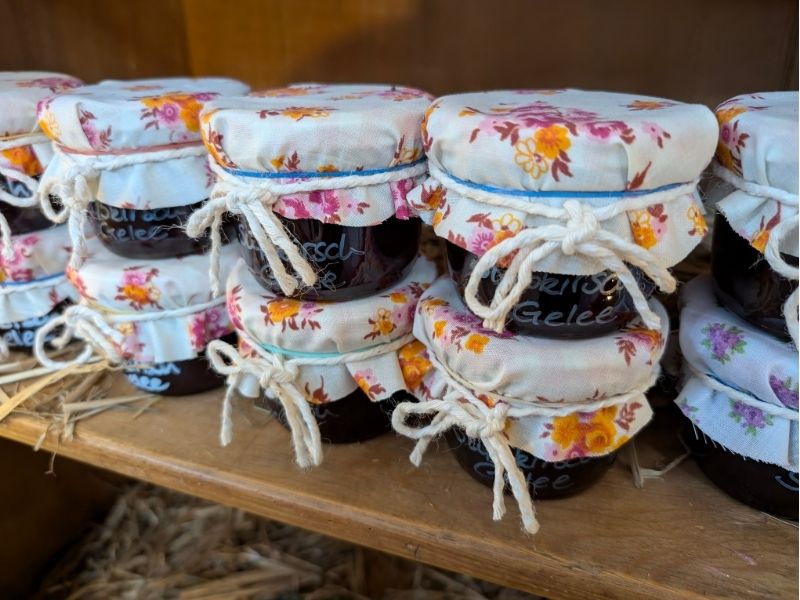
Your handcrafted blackberry jam from that farmers market? It’s a “gel,” and consequently subject to the 3.4-ounce TSA regulation.
This catches numerous travelers by astonishment, particularly those transporting food presents from their journeys.
The dense, spreadable texture doesn’t matter to TSA. To them, if it’s not totally solid, it’s categorized as a liquid or gel.
Tiny jam containers that accommodate in your quart-sized pouch are permitted, but most standard jam containers surpass this restriction.
European travelers attempting to transport back specialty preserves frequently discover this regulation at security, observing their meticulously selected gourmet items get discarded.
The answer?
Check your jam, mail it home, or accept yourself to purchasing grocery store versions at your location, or begin a collection of 3-ounce jam containers.
16. Coconuts
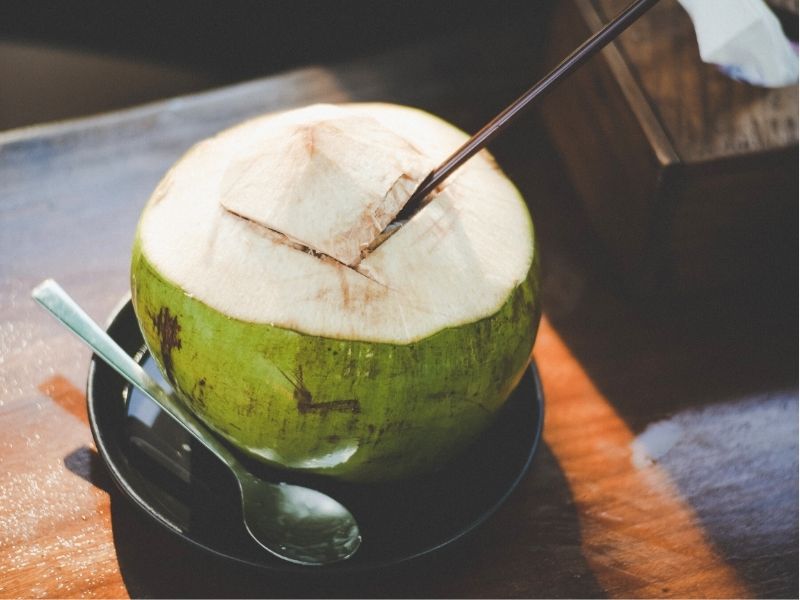
Whole coconuts are prohibited from carry-on baggage because TSA worries you might have drilled a opening and filled them with banned materials.
(Yes, you comprehended that correctly!)
The official explanation is that the coconut’s rigid shell could hide liquids, gels, or other hazardous substances.
Never mind that coconuts naturally hold liquid, and that coconut water inside is already a breach.
Shredded coconut and coconut items are acceptable, but that whole tropical fruit you desired to transport back from Hawaii must be checked.
Some airports in tropical locations have special coconut-checking facilities to accommodate tourists.
TSA’s coconut paranoia has resulted in some entertaining confrontations at security checkpoints.
The simplest answer? Purchase your coconut items pre-packaged rather than attempting to carry the whole fruit.
17. Electric Toothbrushes

Starting in 2025, electric toothbrushes with lithium batteries must be stored in carry-on baggage, not checked pouches.
This is the reverse of most TSA regulations and catches numerous travelers unprepared.
The explanation is identical as power banks: Lithium batteries could overheat and trigger fires more safely supervised in the cabin than the cargo area.
Your fancy Sonicare or Oral-B electric toothbrush requires to remain with you, ideally switched off or with the power control protected.
TSA suggests removing batteries if achievable, though most modern electric toothbrushes have sealed battery compartments.
This regulation applies to electric razors and other battery-operated personal care items too.
Simply remember: Anything with a lithium battery remains in carry-on, even if that appears backward.
18. Cutting Boards
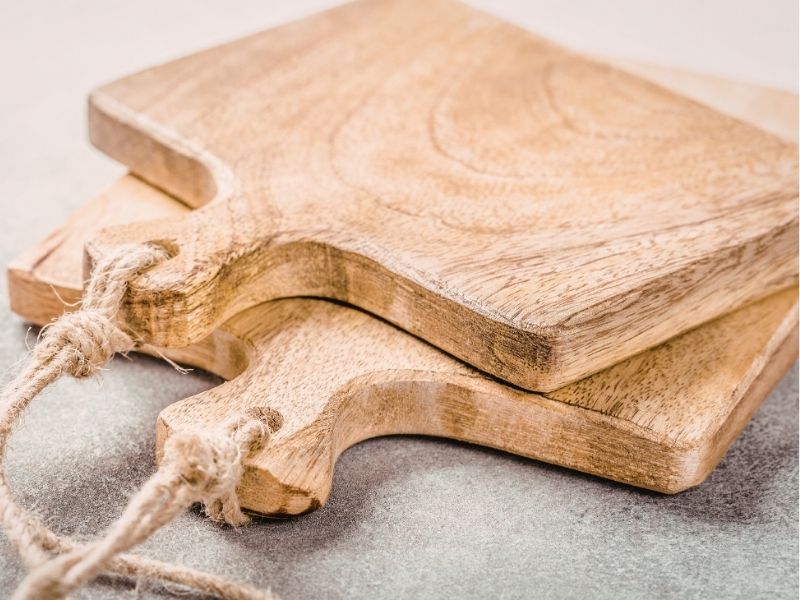
Cutting boards inhabit TSA’s preferred gray zone, meaning they’re “at the judgment of the TSA officer.”
Technically, cutting boards are not specifically prohibited from carry-on baggage.
Practically, numerous officers view them as possible weapons because it’s a rigid object that could be utilized to strike someone.
Your experience will differ dramatically depending on the airport, officer, and presumably their disposition that day.
Wooden cutting boards appear to succeed better than hefty plastic or bamboo ones, and tiny cutting boards are more probable to be permitted than large ones.
If you’re journeying with an costly or sentimental cutting board, checking it is the sole way to ensure it makes the journey.
Otherwise, you’re gambling on TSA officer judgment, which is never a wager you want to make.
19. Corkscrews with Foil Knives (Even Tiny Ones)
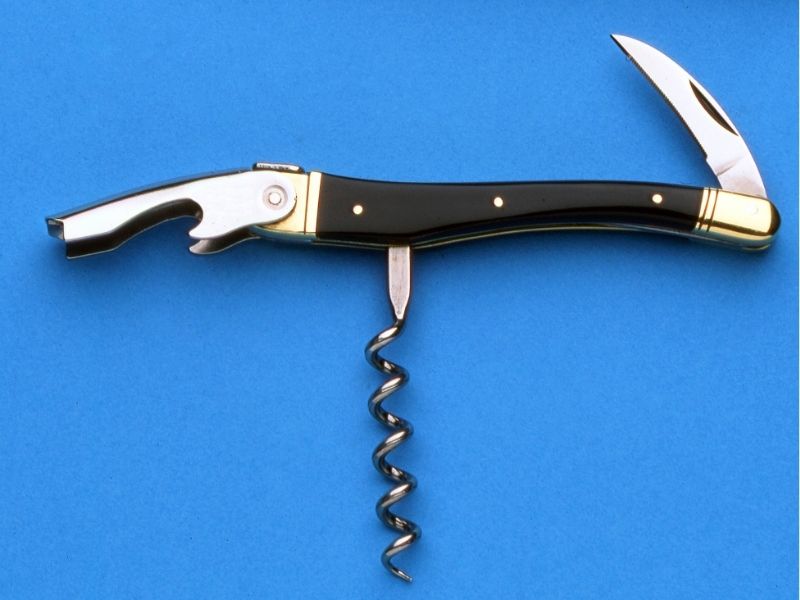
That convenient waiter’s corkscrew with the minuscule tiny foil-cutting blade is forbidden in carry-on baggage.
Even though the blade is typically less than an inch long, TSA categorizes it as a knife.
The corkscrew portion is acceptable; it’s specifically the tiny blade that makes it contraband on flights.
This regulation annoys wine lovers who desire to unseal bottles in their hotel quarters.
You can transport corkscrews without blades in carry-on, or check the multi-tool versions with the blade.
TSA’s knife regulations are notoriously rigorous, with no allowances for blade dimension when it involves carry-on baggage.
Numerous travelers have lost their beloved corkscrews to security containers, not realizing that tiny foil cutter was the issue.
We recommend you purchase this TSA-compliant blade-free corkscrew for travel, or accept yourself to requesting hotel staff for assistance.
20. Liquid Vitamins

Liquid vitamins, supplements, and medications are subject to the 3.4-ounce regulation unless they qualify for medical allowances.
That bottle of liquid vitamin D or fish oil must either be 3.4 ounces or smaller, accommodate in these TSA-approved liquids pouch, or travel in checked baggage.
Medical allowances exist but necessitate proper documentation and advance notification.
You’ll require to declare liquid vitamins independently at security and may be requested to demonstrate they’re medically essential.
Most travelers find it simpler to switch to pill or gummy vitamins for travel.
If you must transport liquid vitamins, having a doctor’s note doesn’t harm, though TSA may still apply the standard liquids regulations.
The most secure approach?
Transport enough for your journey in TSA-approved liquids bottles like these, purchase them at your location, or use alternative forms of supplements.
What Should Go in Your Checked vs. Carry-On Luggage
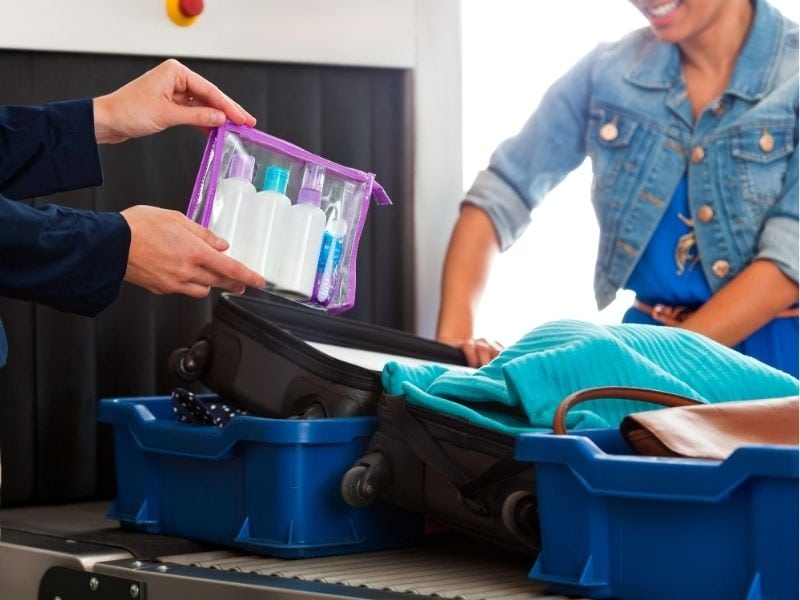
Understanding what belongs where can spare you massive headaches at security.
Checked luggage is for:
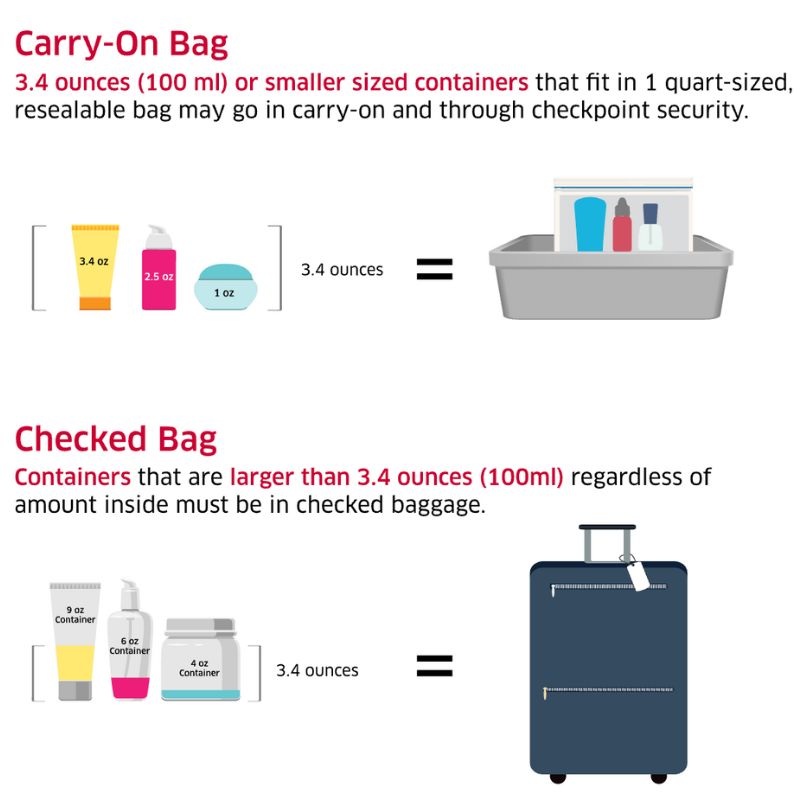
- liquids in containers exceeding 3.4 ounces
- sharp items
- implements exceeding 7 inches
- full-size toiletries
- souvenir snow globes
- spreads like peanut butter and Nutella
- gel candles
- anything else TSA views as a possible weapon (determined at their discretion)
TSA approved Carry-on baggage like this must hold your:
- lithium batteries
- power banks/portable chagers
- electronic devices
- valuable items
- medications you’ll require during the flight
- any essentials you can’t risk losing if checked pouches go missing
The key is questioning yourself like: “Could this be utilized as a weapon?” “Does it hold liquids or gel” “Does it have a battery?”
If yes to any of those, or when uncertain, check the TSA website here before you pack.
How TSA Decides What’s Not Allowed
TSA’s prohibited items list appears random, but there’s usually an explanation behind the madness.
The 3-1-1 liquids regulation came after a 2006 scheme to utilize liquid explosives on planes.
Implement limitations exist because they could be utilized as weapons or to tamper with aircraft.
Battery regulations emerged after multiple fires triggered by lithium-ion batteries overheating in cargo areas.
Each seemingly ridiculous regulation usually traces back to a specific incident or credible danger.
TSA also grants individual officers judgment to prohibit items not specifically listed if they appear possibly hazardous.
This is why regulations feel unpredictable (and annoying), because what one officer permits, another might seize.
The agency updates its list regularly based on new dangers, technology modifications, and incident reports from airports globally.
What to Do If You Make a Mistake Packing
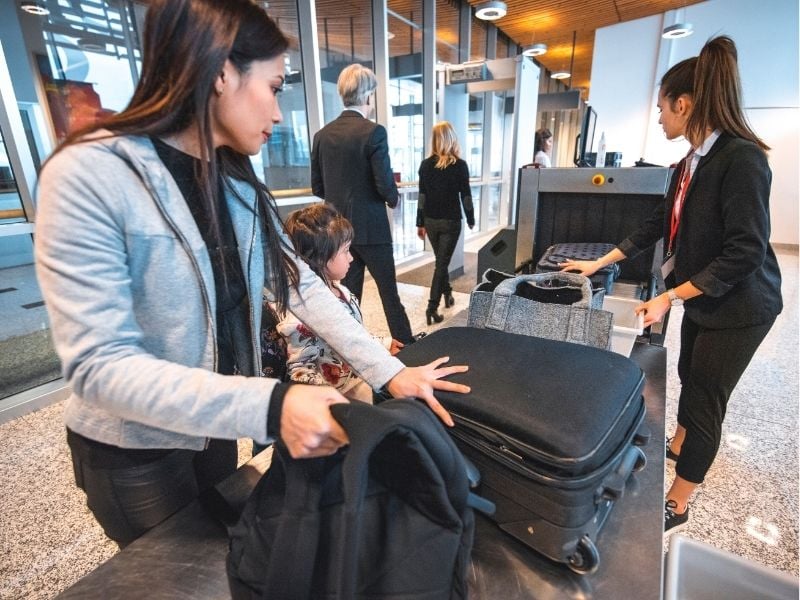
Unintentionally stored something forbidden? Don’t panic. You have several choices at security.
- You can return to the ticket desk and check the item if you have duration before your flight.
- Numerous airports have mail stations where you can ship items home.
- You can request if someone with you who isn’t flying can take the item back.
- Or you can simply surrender the item and it’ll be seized and disposed of.
Whatever you do, never attempt to conceal forbidden items or deceive TSA officers, as this can result in fines or even arrest.
If you realize your error before reaching security, inform the airline instantly.
Most importantly, don’t argue with TSA officers as they’re implementing regulations, not inventing them up on the spot.
Travel Pro Tip: Allocate extra duration during peak travel seasons (particularly Christmas) when security lines are longer and examination more thorough.
In the End, This Keeps Us Safe
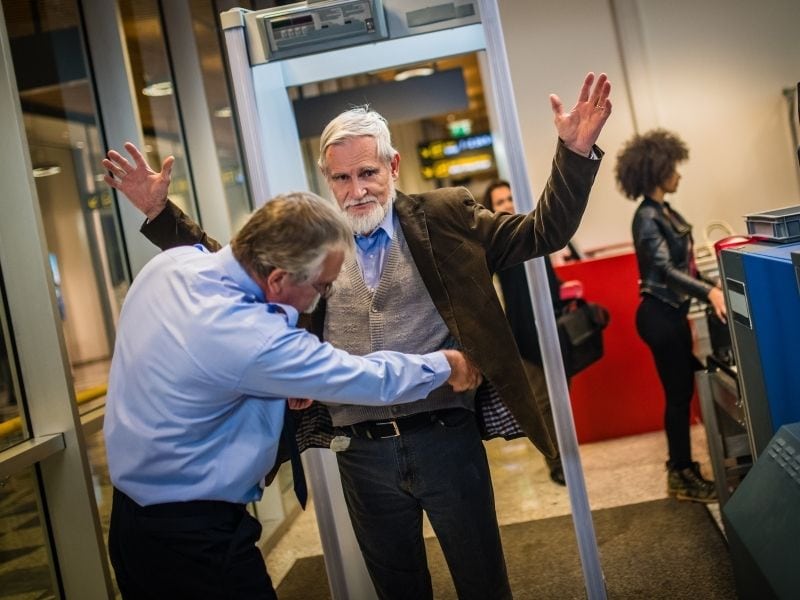
Yes, some TSA regulations appear absurd (looking at you prohibiting Magic 8 Balls and Nutella) and feels like security theater rather than genuine protection.
However, the reality is that aviation security necessitates a zero-tolerance approach.
The liquids regulation exists because terrorists attempted to utilize liquid explosives, and battery limitations exist because lithium fires have compelled emergency landings.
Every seemingly silly regulation emerged from a genuine danger or incident, so rest assured TSA officers don’t enjoy seizing children’s toys or grandma’s jam.
They’re following protocols designed to prevent another 9/11 (or worse).
Could the system be more rational and consistent? Absolutely.
However, until TSA develops superior technology to identify dangers without these broad limitations, we’re stuck with regulations that sometimes feel ridiculous.
The inconvenience of storing smartly is worth it if it means everyone arrives safely at their location.
Finished reading? There’s more to explore.
Leave a Reply