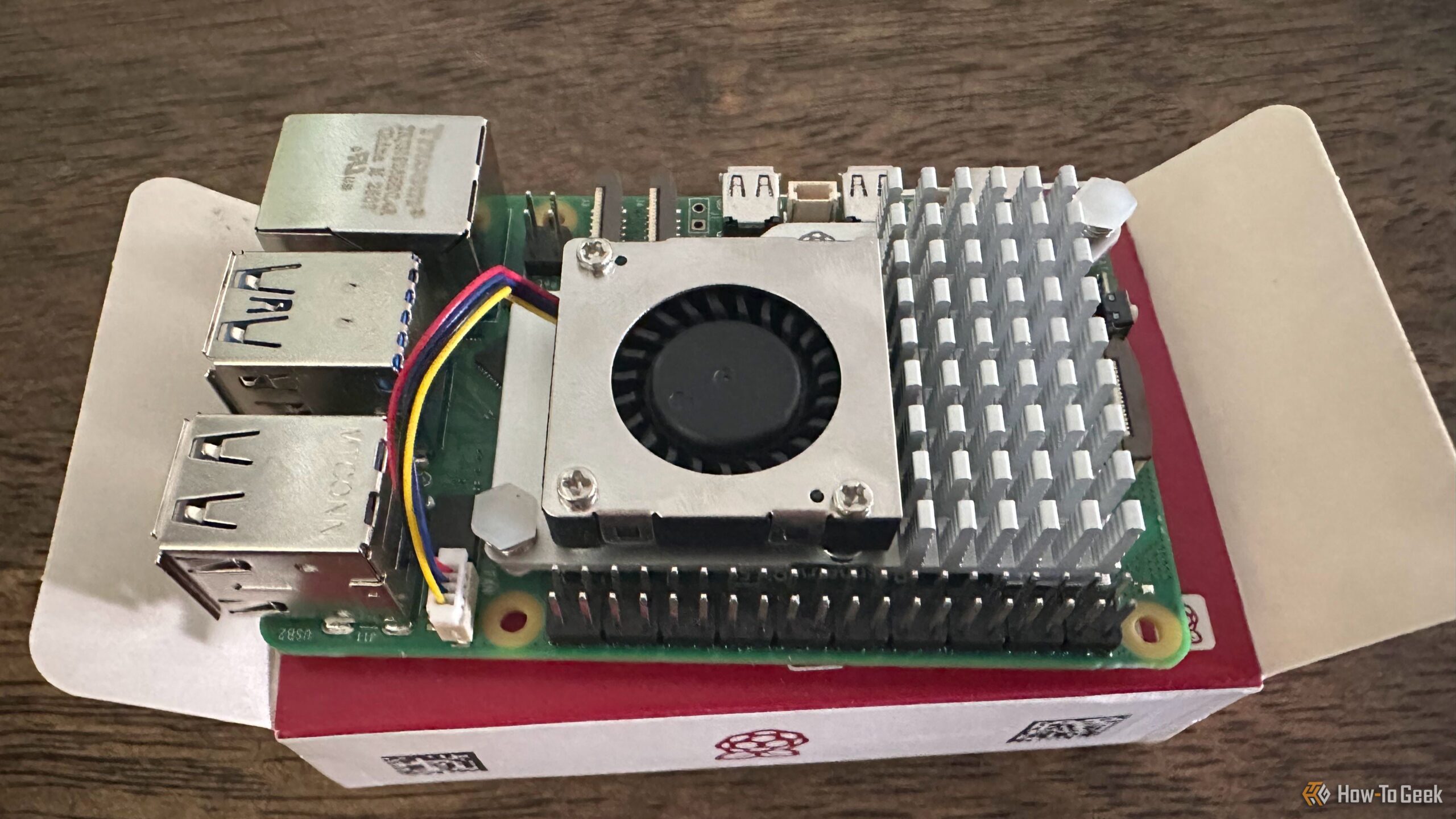
When it first arrived on the scene, there really was nothing else like the Raspberry Pi single-board computer. Here was a full PC capable of running a desktop operating system that fit in the palm of your hand. It wasn’t long before people discovered all sorts of other uses for these little computers, beside being disposable educational tools.
Today, the Raspberry Pi brand is a behemoth, with numerous models specialized for different needs. The name “Raspberry Pi” has become synonymous with cheap computing while still being good rather than just “good enough”, but is that still true? Personally, I think the Pi has drifted off-mission.
The Raspberry Pi drifted away from its original value proposition
When I bought my first Pi, it only cost me $35 and soon after there was a $25 model too. Both of which were genuinely useful, and could be used as light productivity computers in a pinch.
RECOMMENDED FOR YOU
Today, the cheapest current generation Raspberry Pi (the Pi 5) costs $45 and comes with only 1GB of RAM, which makes it a very silly product with few legitimate uses. There’s a spectrum of these models with incrementally more RAM, culminating at $145 for the 16GB model. This latest Raspberry Pi is of course very powerful compared to previous ones, but you could argue it’s more powerful than you need it to be.
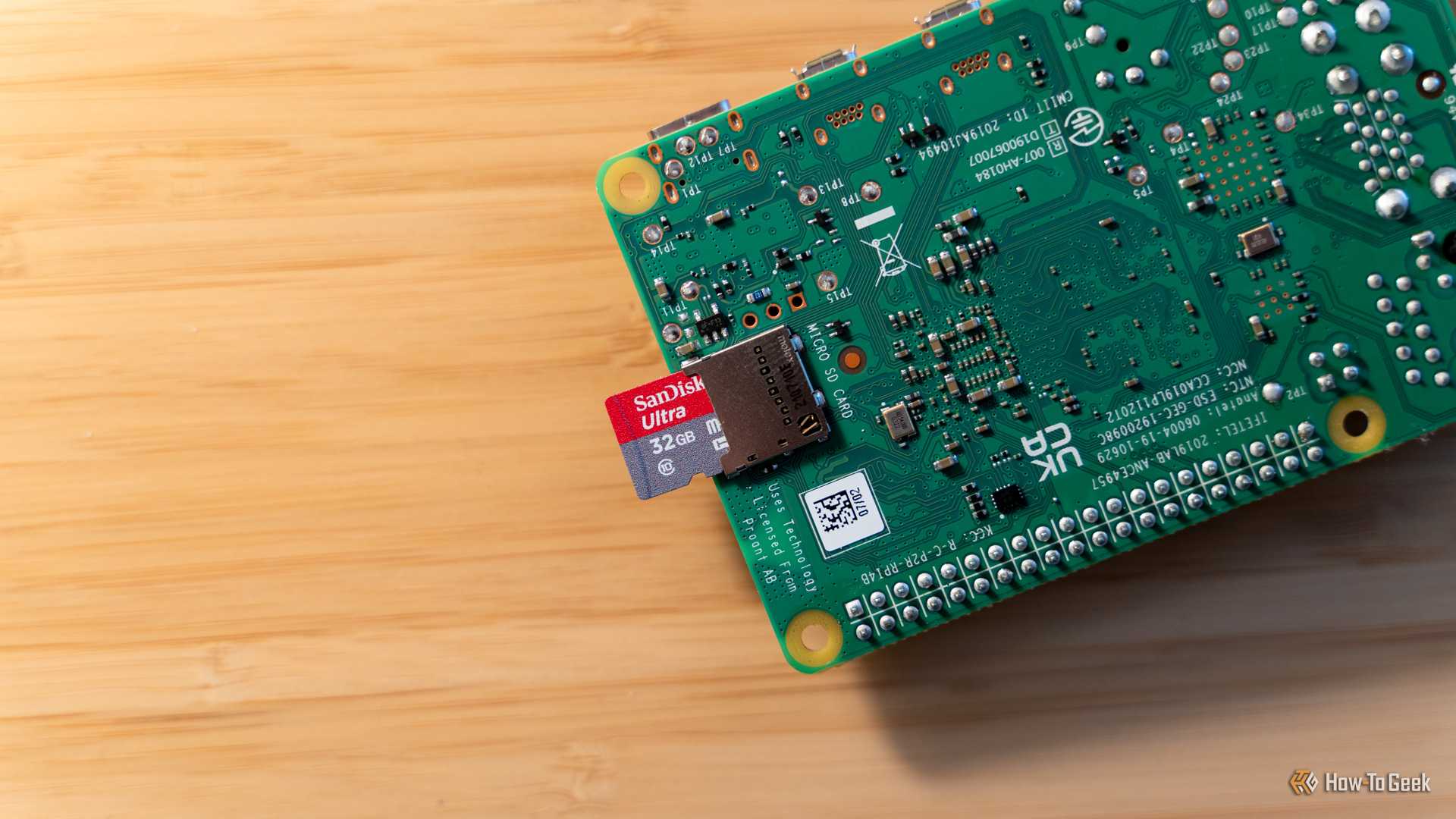
Also, don’t forget that to make the most of that Pi, you need active cooling, a case, a power supply, and storage. These are costs that have to be added. In total, my 8GB Raspberry Pi 5 cost $100 including the case I printed myself and the active cooler. Luckily, I already had a spare GaN power supply that use for various projects. Even though $100 isn’t cheap, it’s still reasonable for what I got, but when you look at the alternatives for the money, things don’t seem that rosy.
Mini PCs now dominate price-to-performance
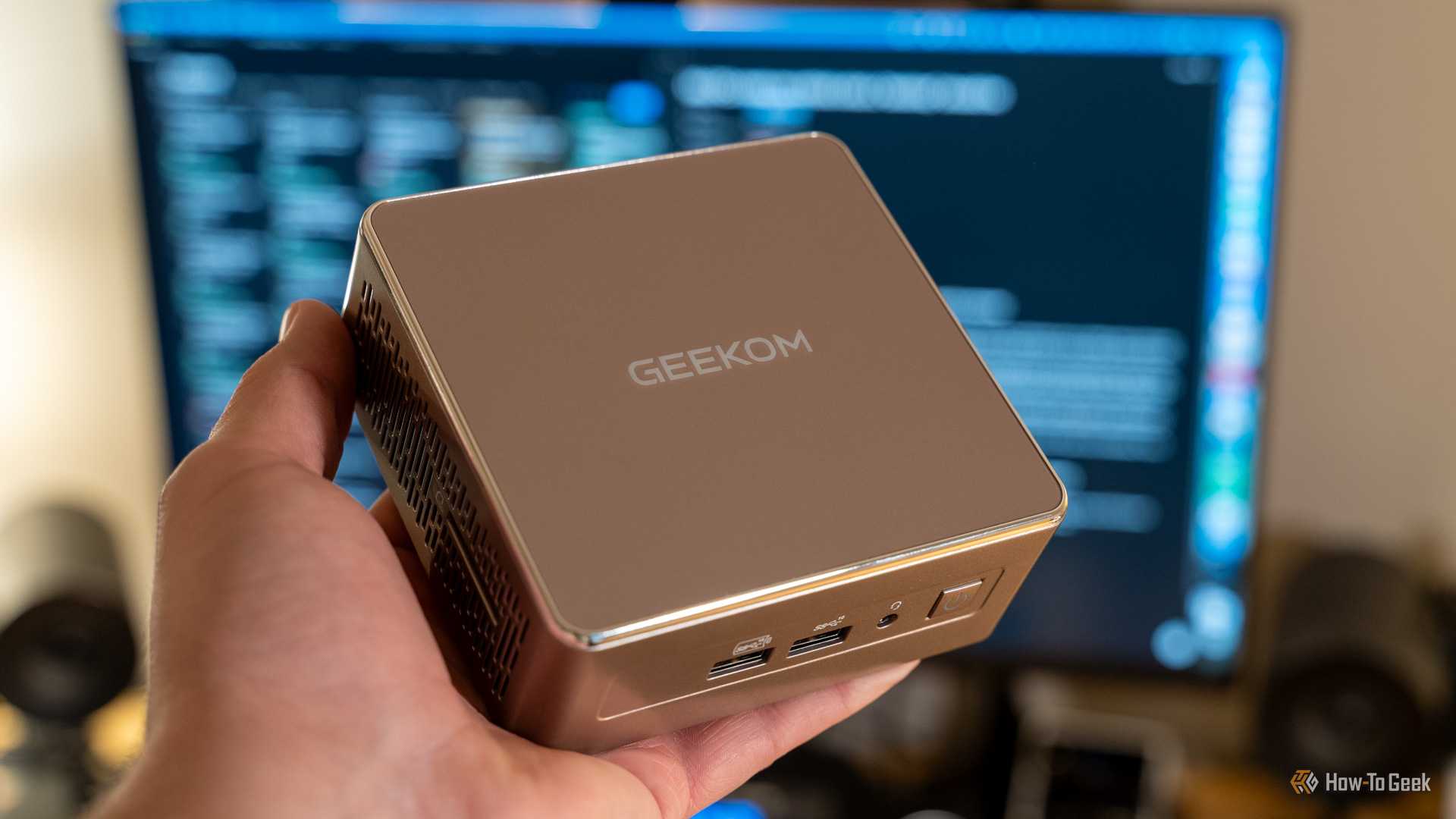
If you don’t strictly need one of the unique attributes of a Pi (which I’ll get to in a minute), then it’s very hard to justify the money you’re spending compared to a modern mini PC. This is most true at the high end of the Pi spectrum. You can get a new mini PC for around $200, which isn’t far off what you’ll spend on a Pi 5 with 16GB of memory, after you’ve added cooling, storage, power, and a case.
Then, the mini PC will almost certainly have a more powerful CPU, upgradable RAM, and come with SSD storage. If you want to use fast SSD storage with a Raspberry Pi, you need to buy a special “hat” to expand it.
Used PCs quietly destroy the Pi on value
Things are even tougher for the Raspberry Pi when you look at the slew of cheap used PCs and mini PCs out there. I paid less than $50 for a used Lenovo mini PC to use as a Plex server, as a personal example. If you don’t need the computer to be small or particularly power efficient at all, you can get a refurbished desktop tower PC for around $100 that will run circles around a Raspberry Pi.
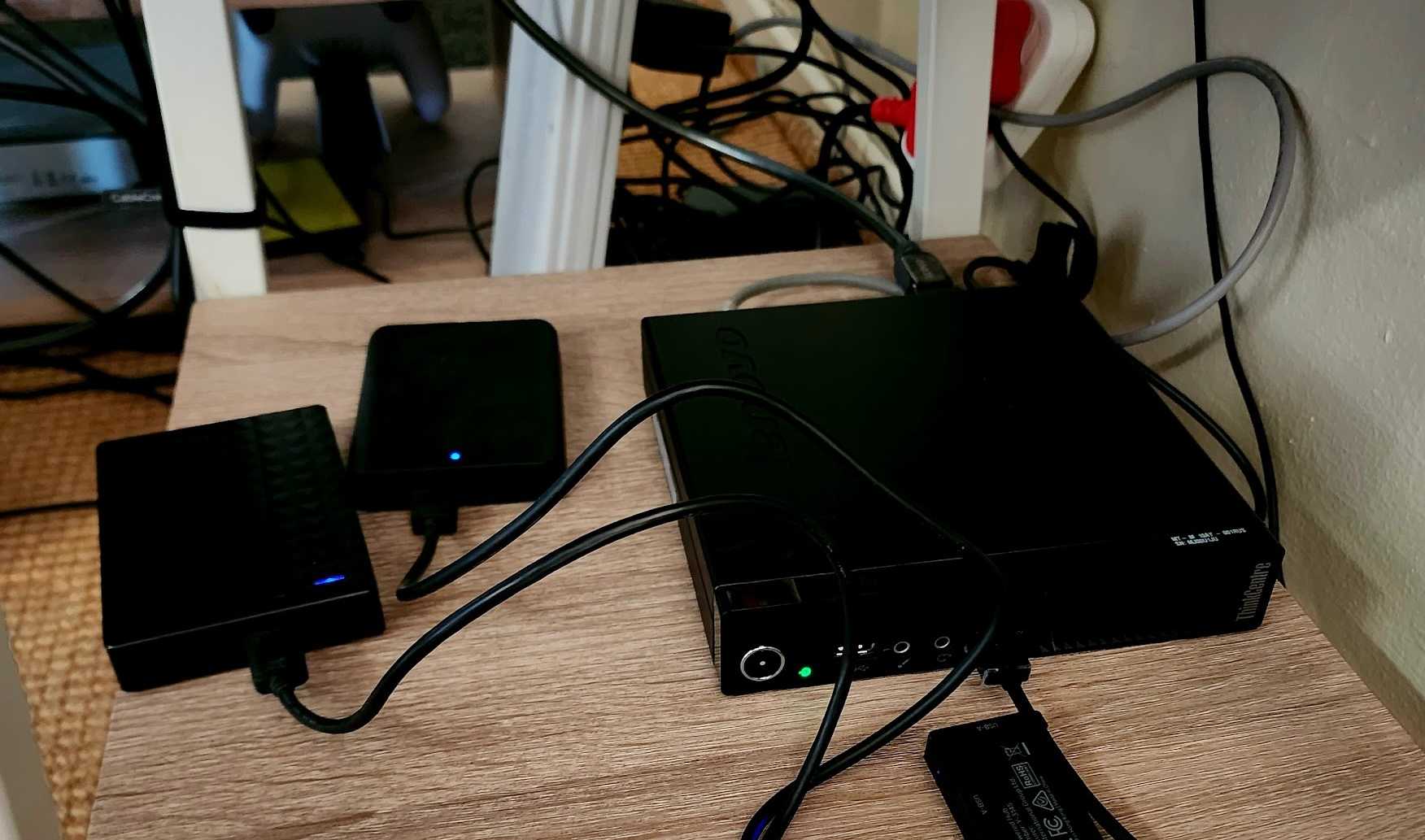
A computer like this is easier to expand and improve later, and components of the same vintage are likely to be cheap or free. Put a modern distro of Linux on there, and you’re likely to have a snappy experience too.
Ease of use favors x86 systems
Raspberry Pi computers use a processor architecture known as “Arm” which is know for power-efficient use in smartphones, tablets, gaming handhelds, and just about any type of device that needs to be cool, quiet, and have the option to run off battery power for long stretches of time.
Arm has really taken off over the last decade or so, but it’s still nowhere near the dominance of x86—the core architecture of the PC platform. Setting aside the performance advantages x86 CPUs enjoy when plugged into the wall, most of the software out there has been written for x86 first, and you’ll simply have less friction when it comes to making software work. Yes, even if you’re running Linux rather than Windows.
Where the Raspberry Pi still makes sense
While I don’t think the modern Raspberry Pi is still on the same track as its original purpose dictated, that doesn’t mean the Pi is bad or not worth it. It just means that when you are spending a certain amount of money on on a Raspberry Pi, you owe it to yourself to check if there are alternatives for similar money that will give you a better overall experience.
For now, something like a Pi 5 only makes sense when you need GPIO for projects, when its low power consumption and small size are crucial, or when you need to build a computer into an embedded system. It still shines as the right tool for the job, but as a general-purpose computer, you can probably find a better solution these days.
raspberry
Finished reading? There’s more to explore.
Leave a Reply